From Repetition to Systems: Designing a Smarter Solution
 By Charles Ikyese
May 31, 2026
1 min read
By Charles Ikyese
May 31, 2026
1 min read

After recognizing the problem, the next step was clear: stop reacting; start structuring.
Rethinking the Approach
Instead of solving issues one by one, I began to step back and observe patterns.
Certain problems kept repeating. The difference wasn’t in the issue; it was in who was experiencing it.
That insight changed my approach completely.
What I Started Doing Differently
I shifted from fixing problems to building a system:
Compiling frequently reported issues
Identifying patterns in user challenges
Developing clear, reusable solutions
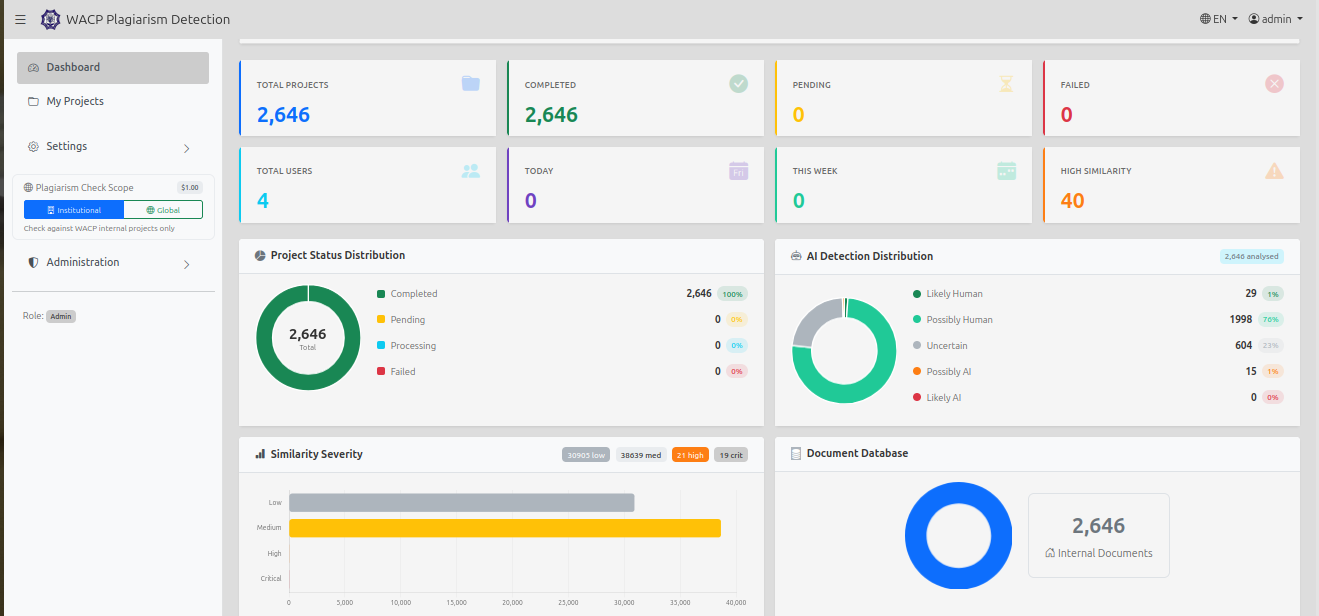
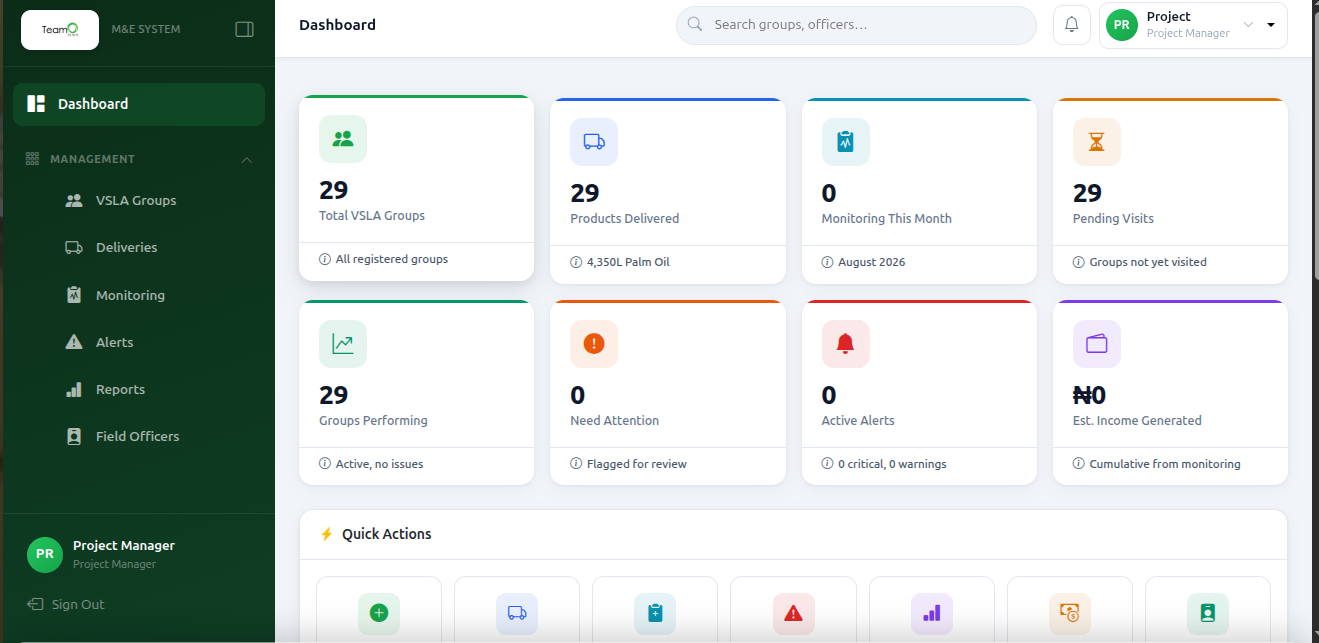
This led to the idea of a benchmarking tool—a system that could:
Store common problems
Provide immediate solutions
Empower users to fix minor issues independently
The Impact
The results were immediate:
Fewer repeated complaints
Faster problem resolution
Reduced dependency on a single person
For the first time, the system was working for us, not against us.
But There Was a Catch…
This system depended on one critical thing: records.
Without proper documentation, the system would collapse. No data meant no patterns. No patterns meant no improvement.
The Aha Moment
That’s when I realized something deeper:
The real solution wasn’t just a tool: it was digitalization. With digitization coming before it.
In the final post, I’ll break down why digital records are the backbone of any efficient system.
Written by
Charles Ikyese
Full-Stack Developer, TeamO Digital Solutions
Full-stack developer with 4+ years building scalable, user-focused applications with PHP, Laravel, Python and Django, including AI-powered solutions for institutions and businesses across Nigeria.
More about Charles Ikyese →