Records Digitalisation
Convert paper documents into digital files that are organised, easy to find, and safe to store.
Overview
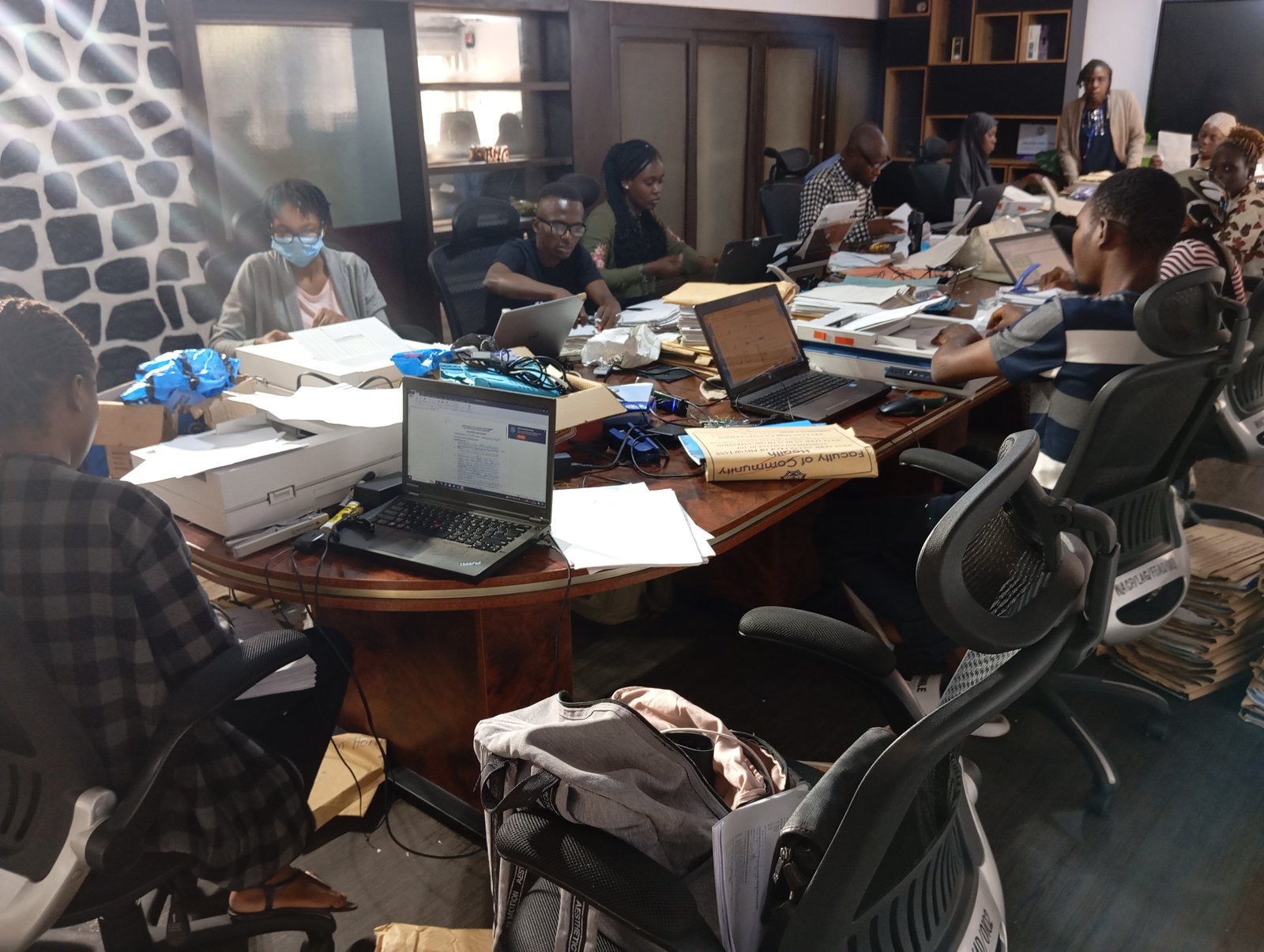
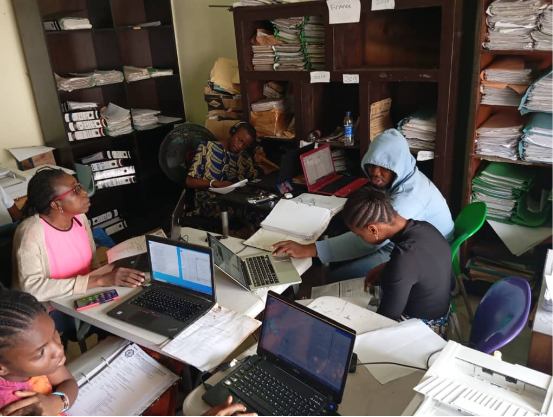
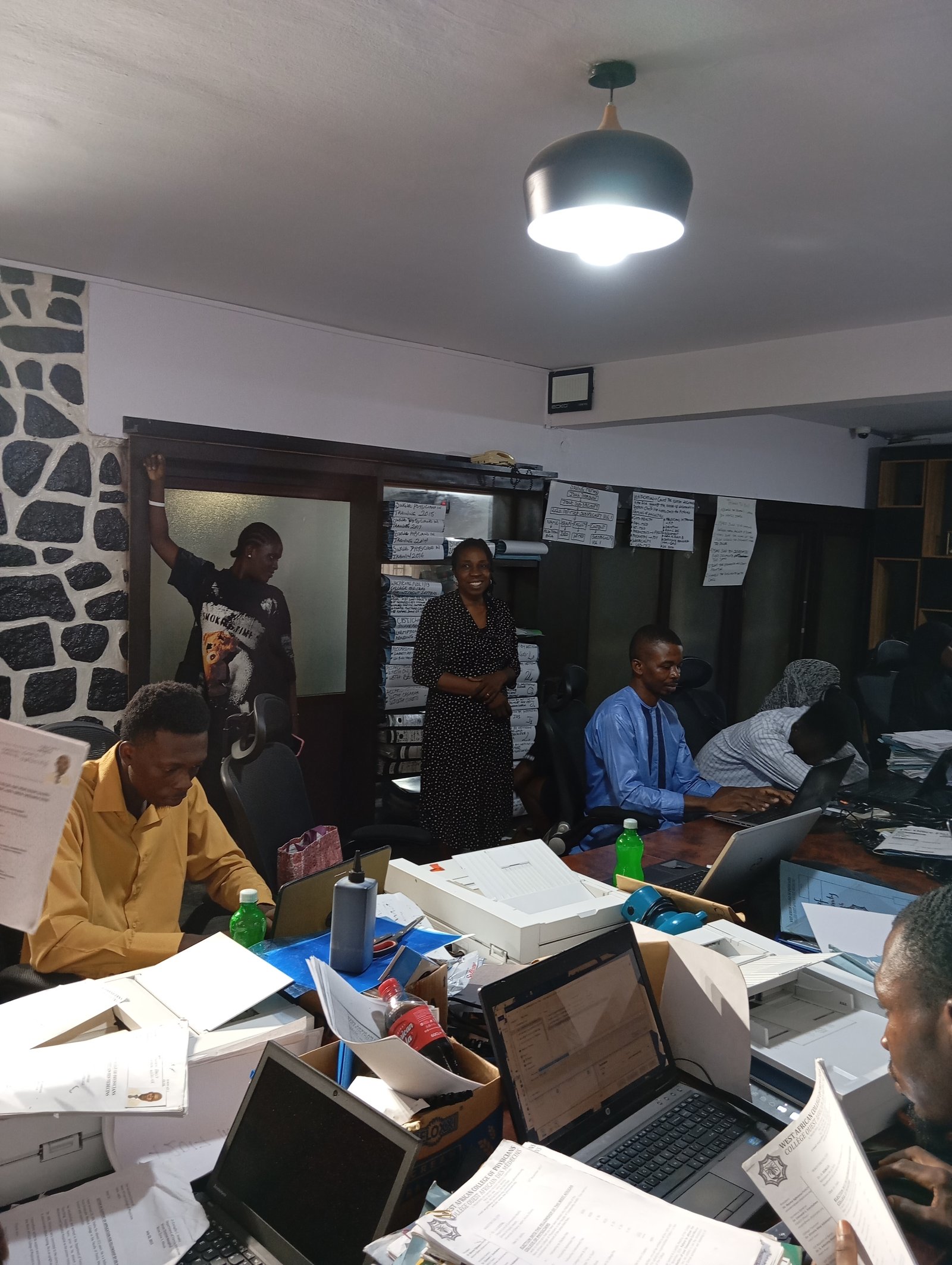
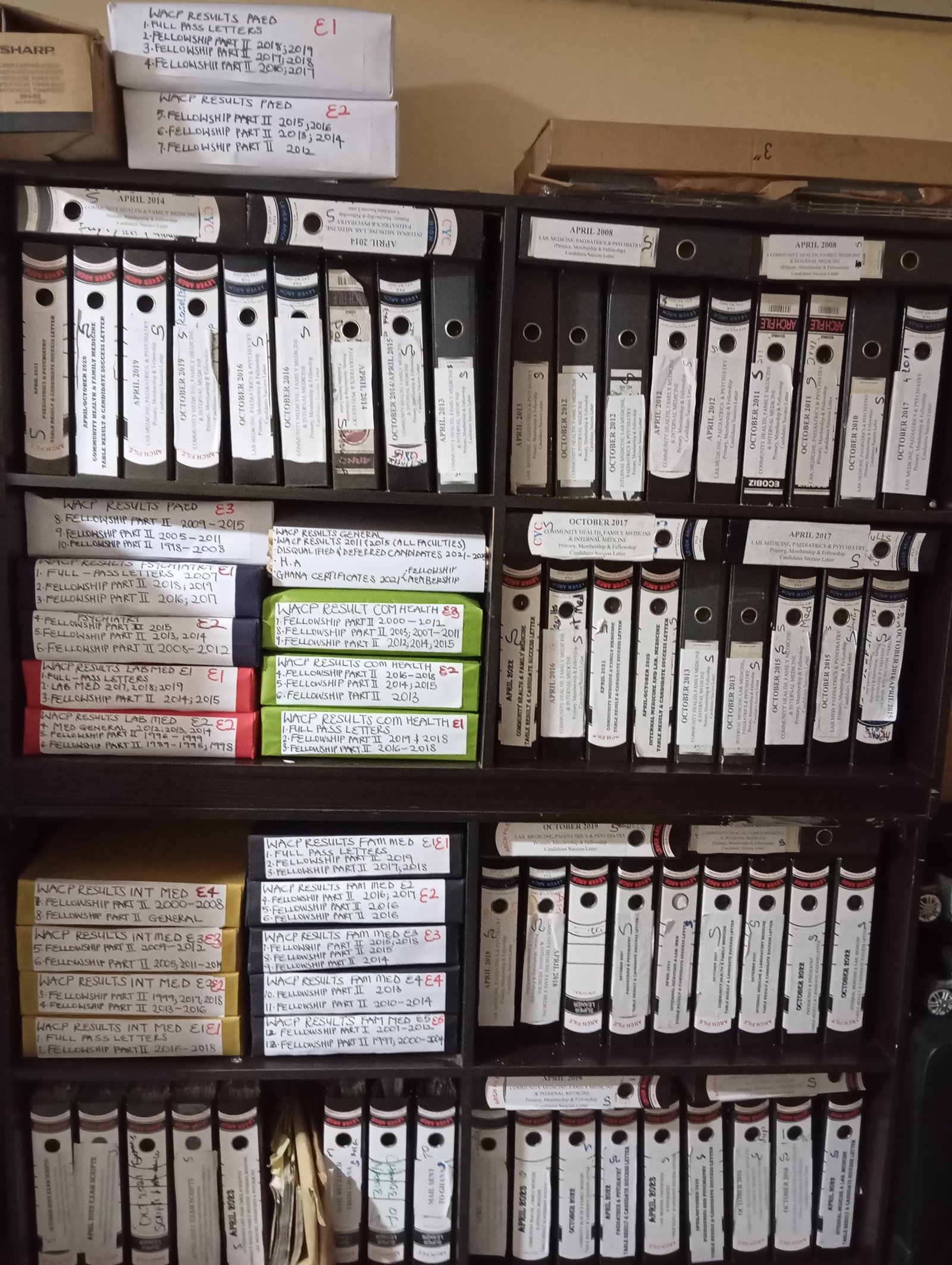
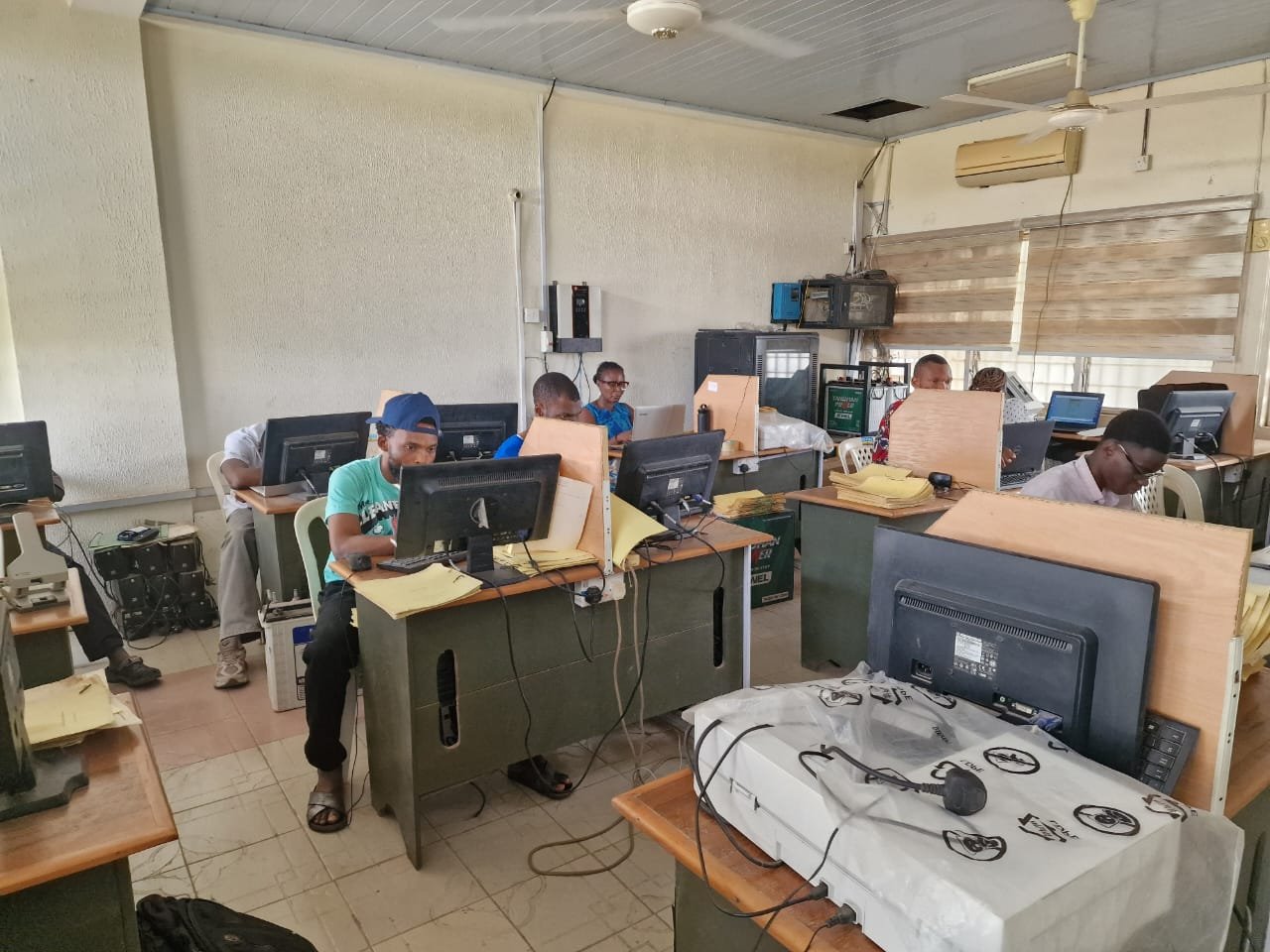
Convert paper documents into digital files that are organised, easy to find, and safe to store. Features include document scanning (bulk and single item), indexing and categorisation, secure management and archiving, and data migration solutions. Get less paperwork, faster access, and a searchable database with documents tagged properly. Physical documents returned labelled and neatly reorganised. Service is carried out on-site to ensure document security.
Features
- Document scanning (bulk and single item)
- Indexing and categorisation
- Secure management and archiving
- Data migration solutions
Benefits
- Less paperwork
- Faster access to documents
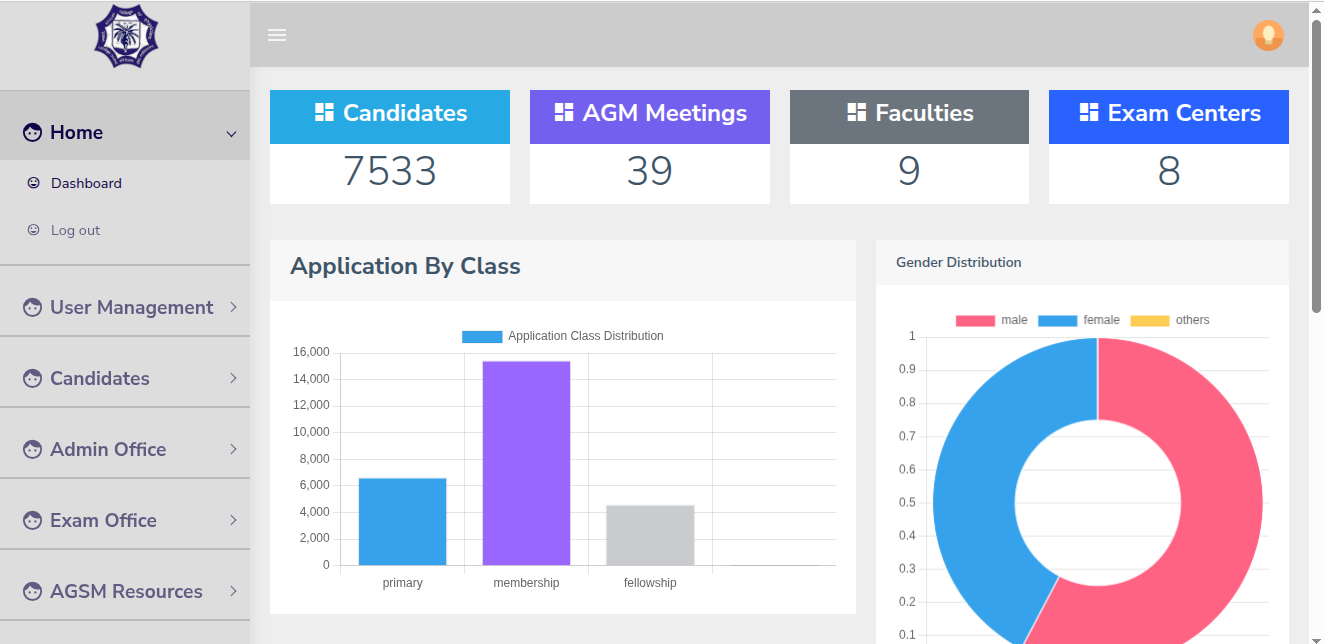
- Searchable database with properly tagged documents
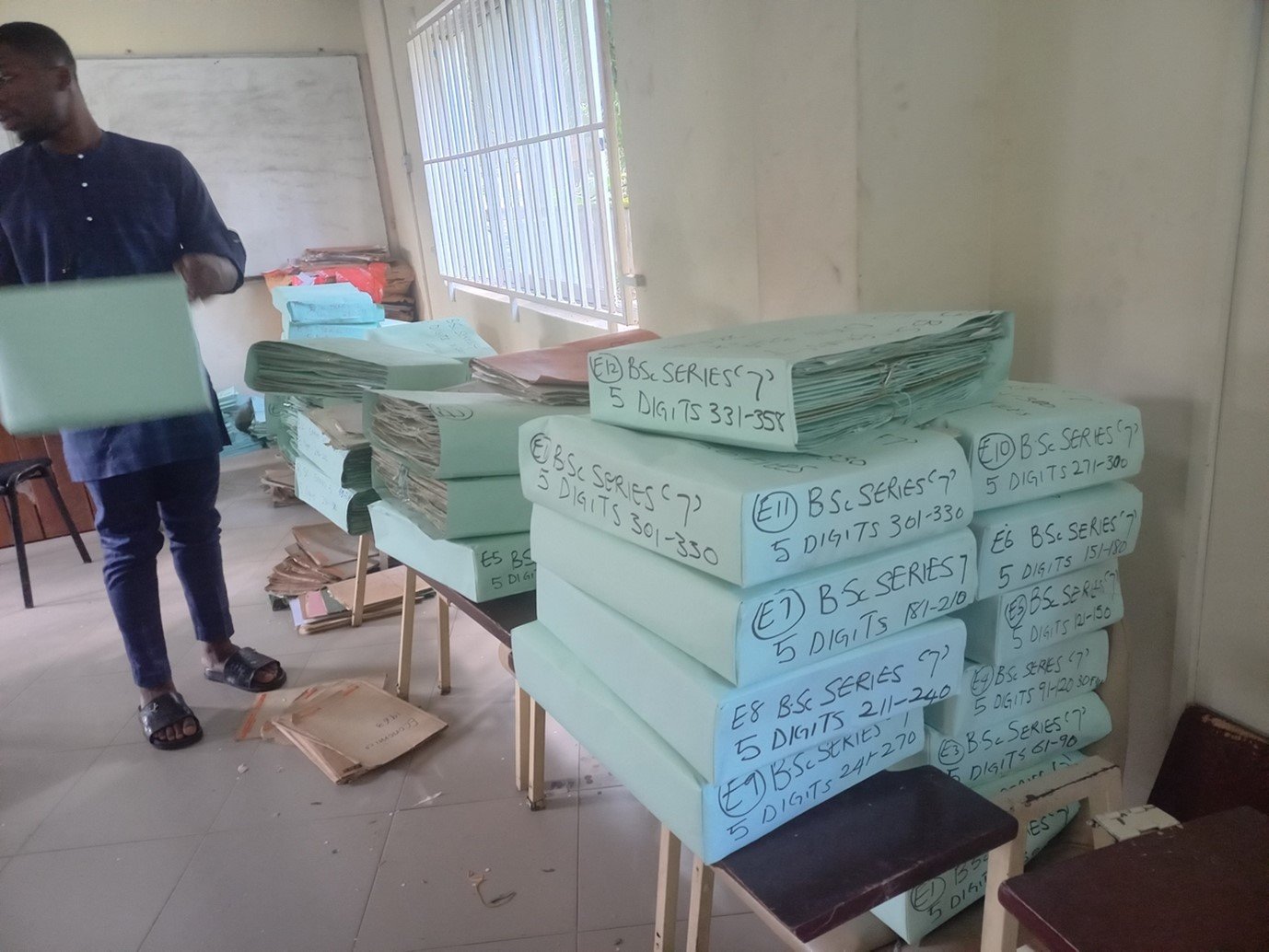
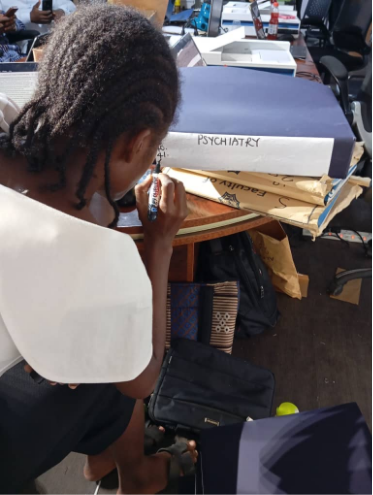
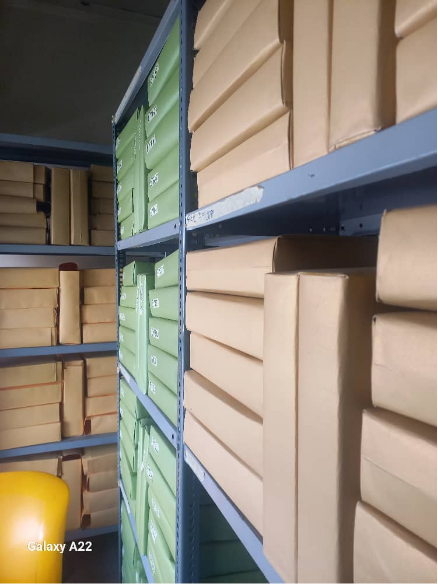
- Physical documents returned labelled and neatly reorganised
- Service carried out on-site to ensure document security
Our Process
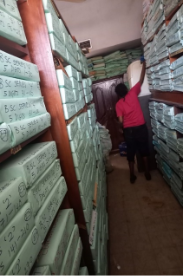
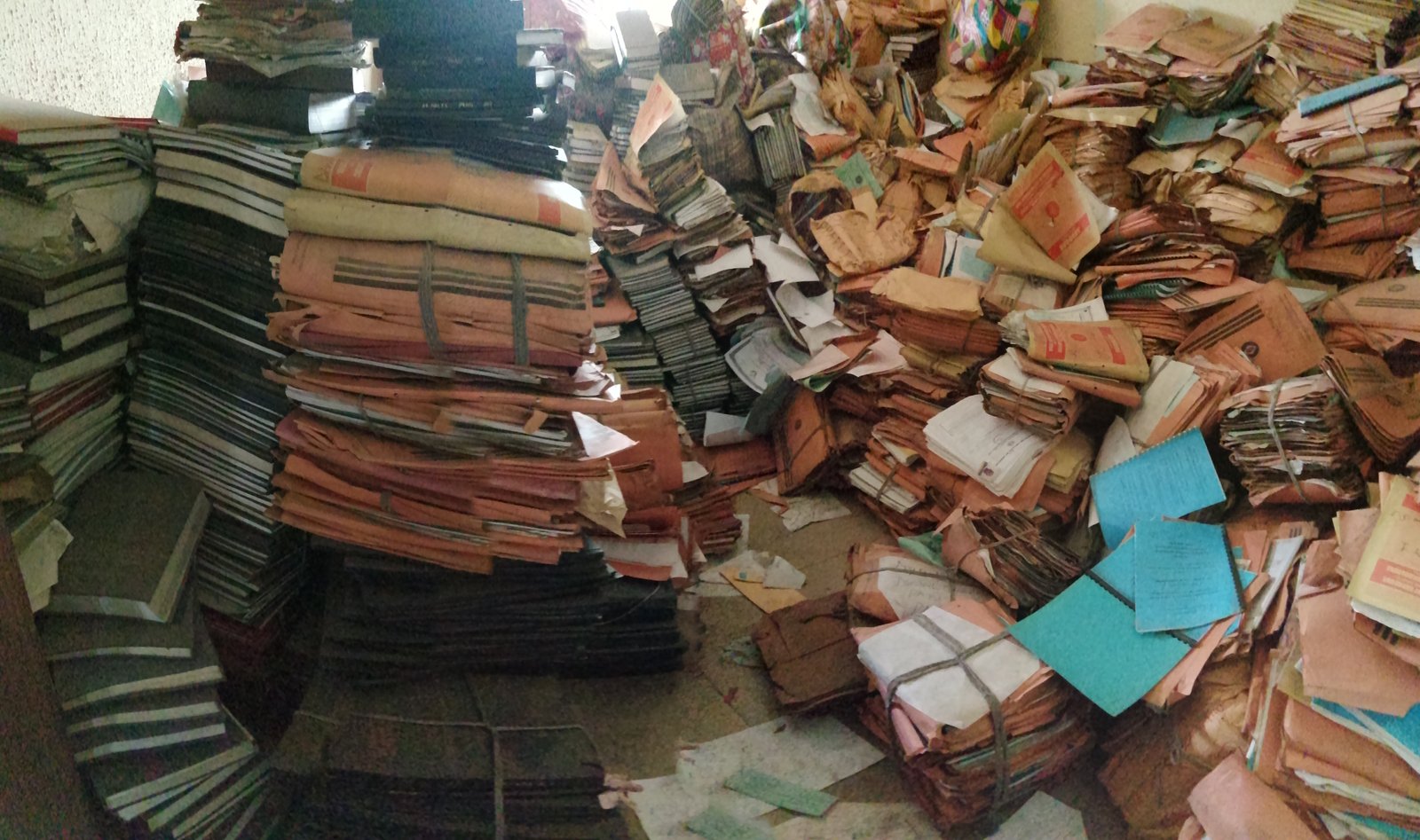
- 1 Site assessment: we visit your office or records rooms, take stock of what exists (files, results, registers, projects, CDs) and agree the scope and phases with you before any work starts.
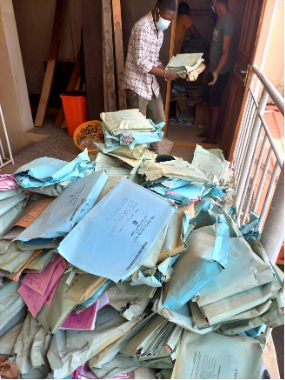
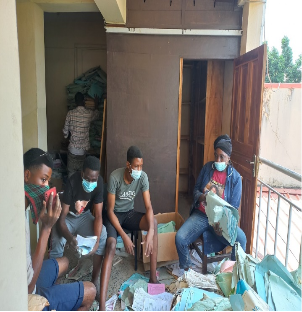
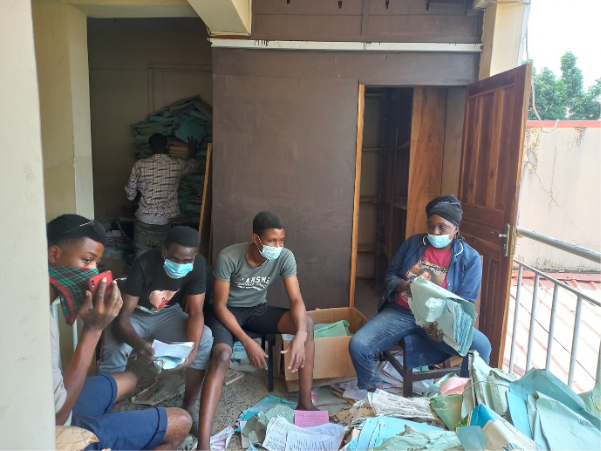
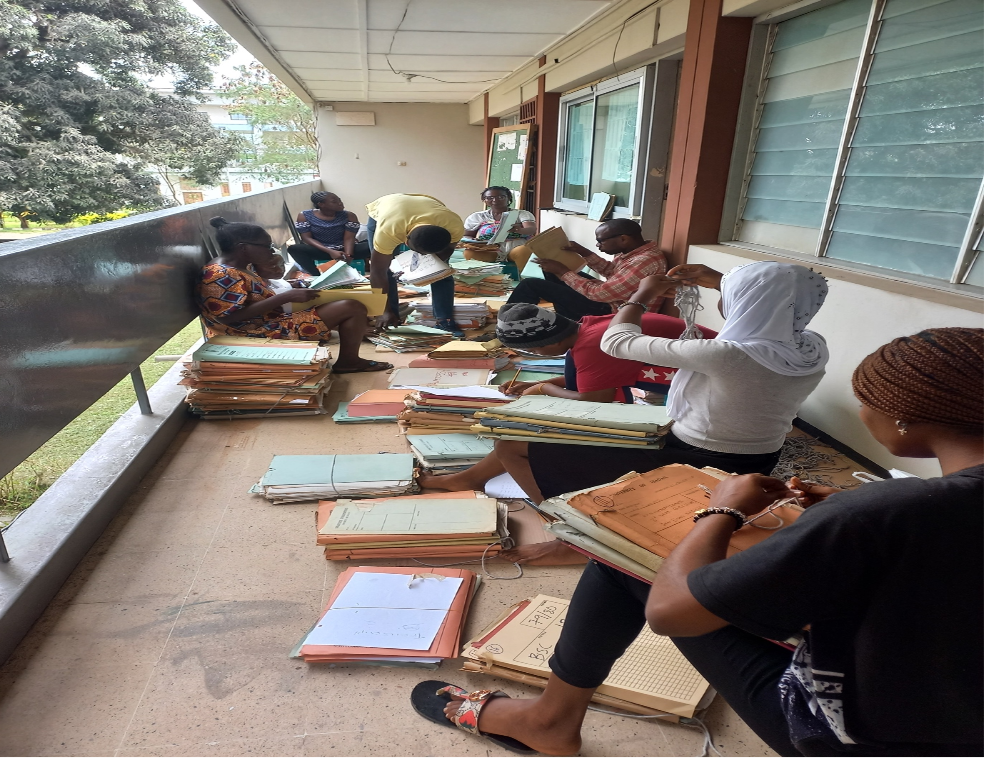
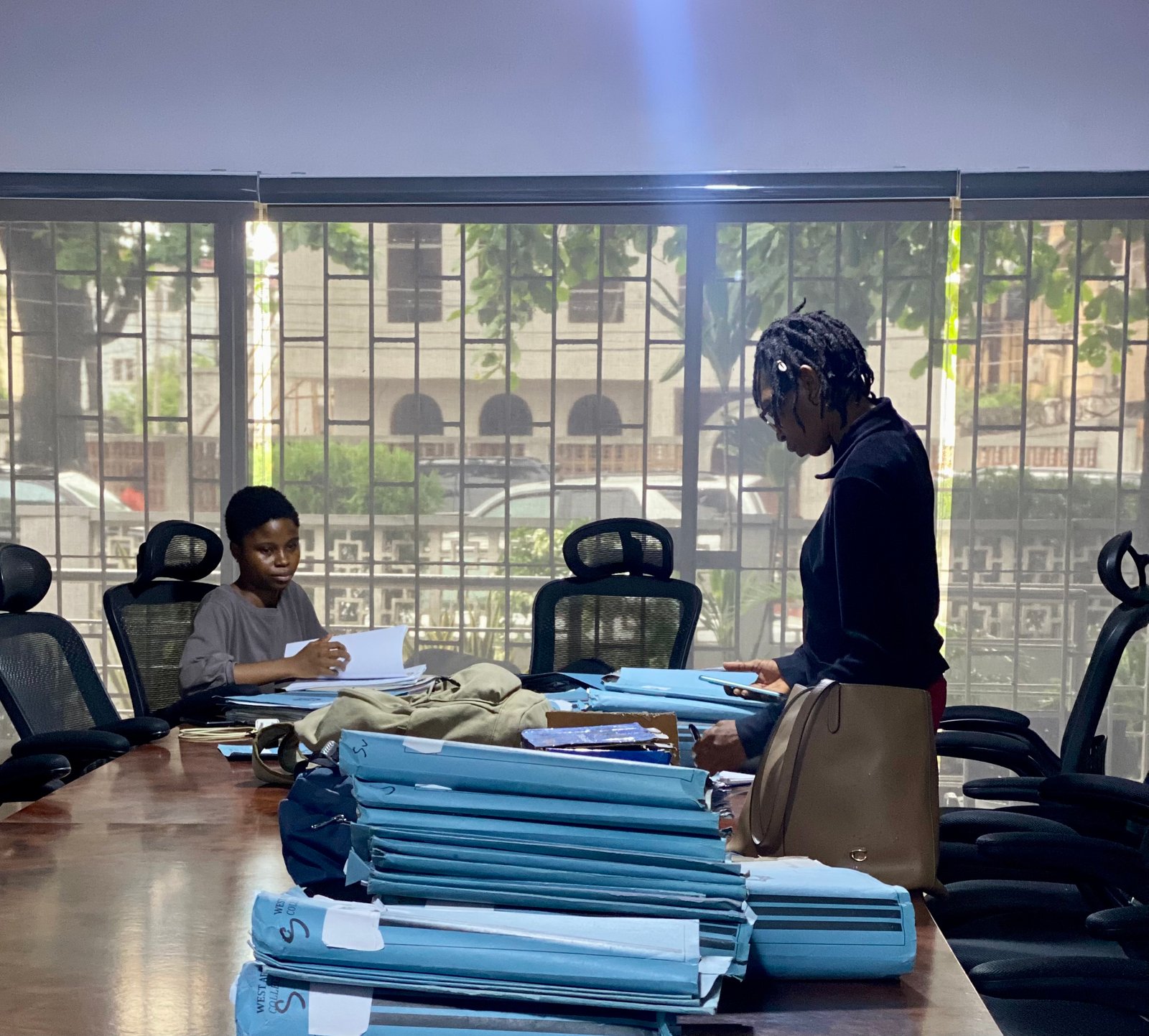
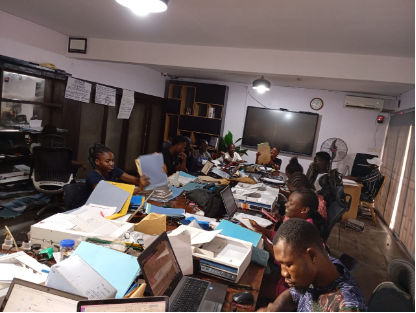
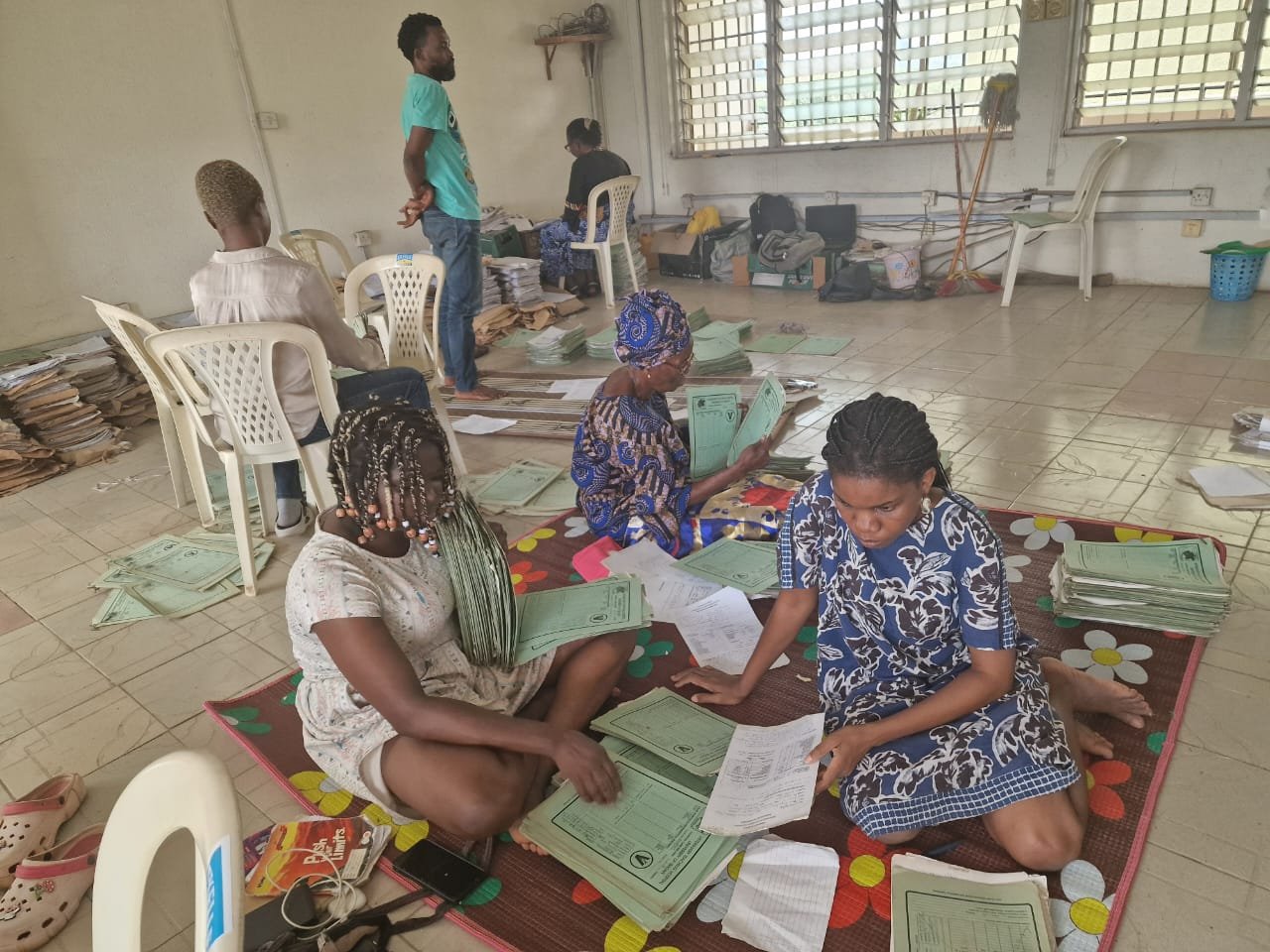
- 2 Sorting and arrangement: files are physically sorted, arranged and documented room by room, so nothing is scanned out of order or lost along the way.
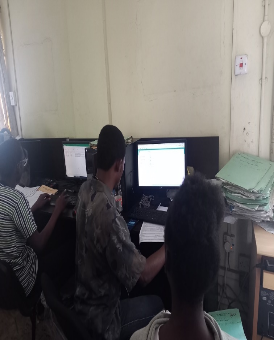
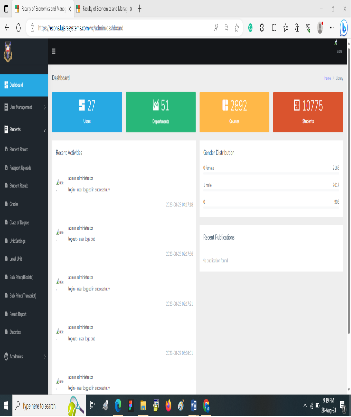
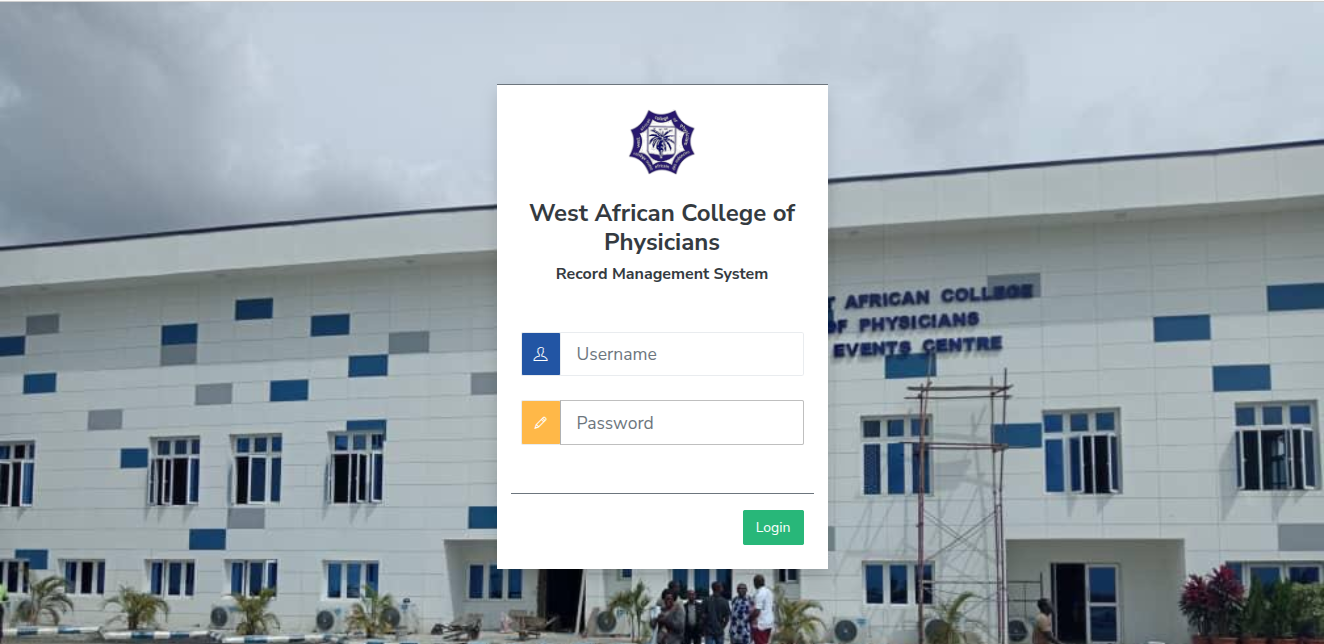
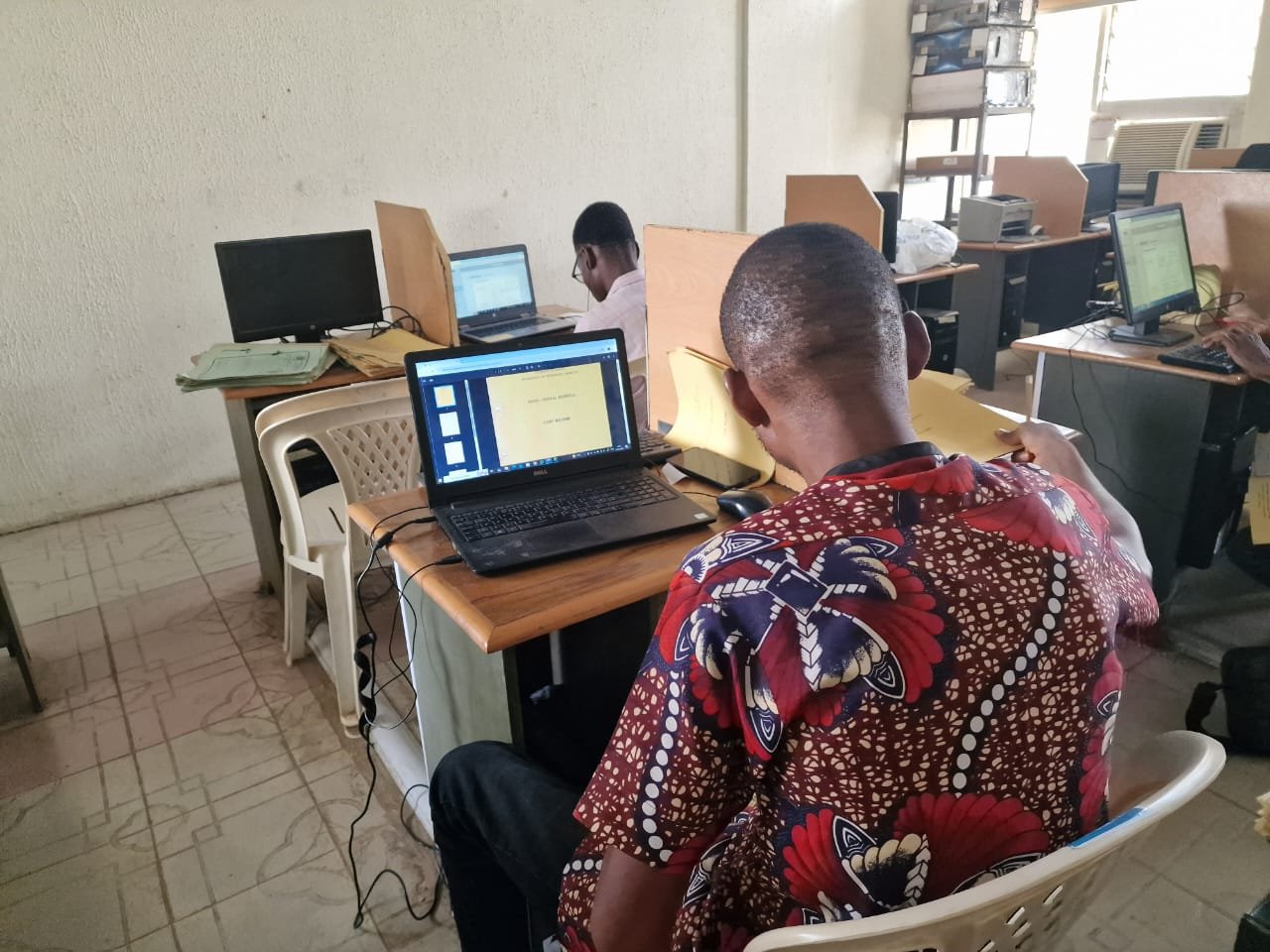
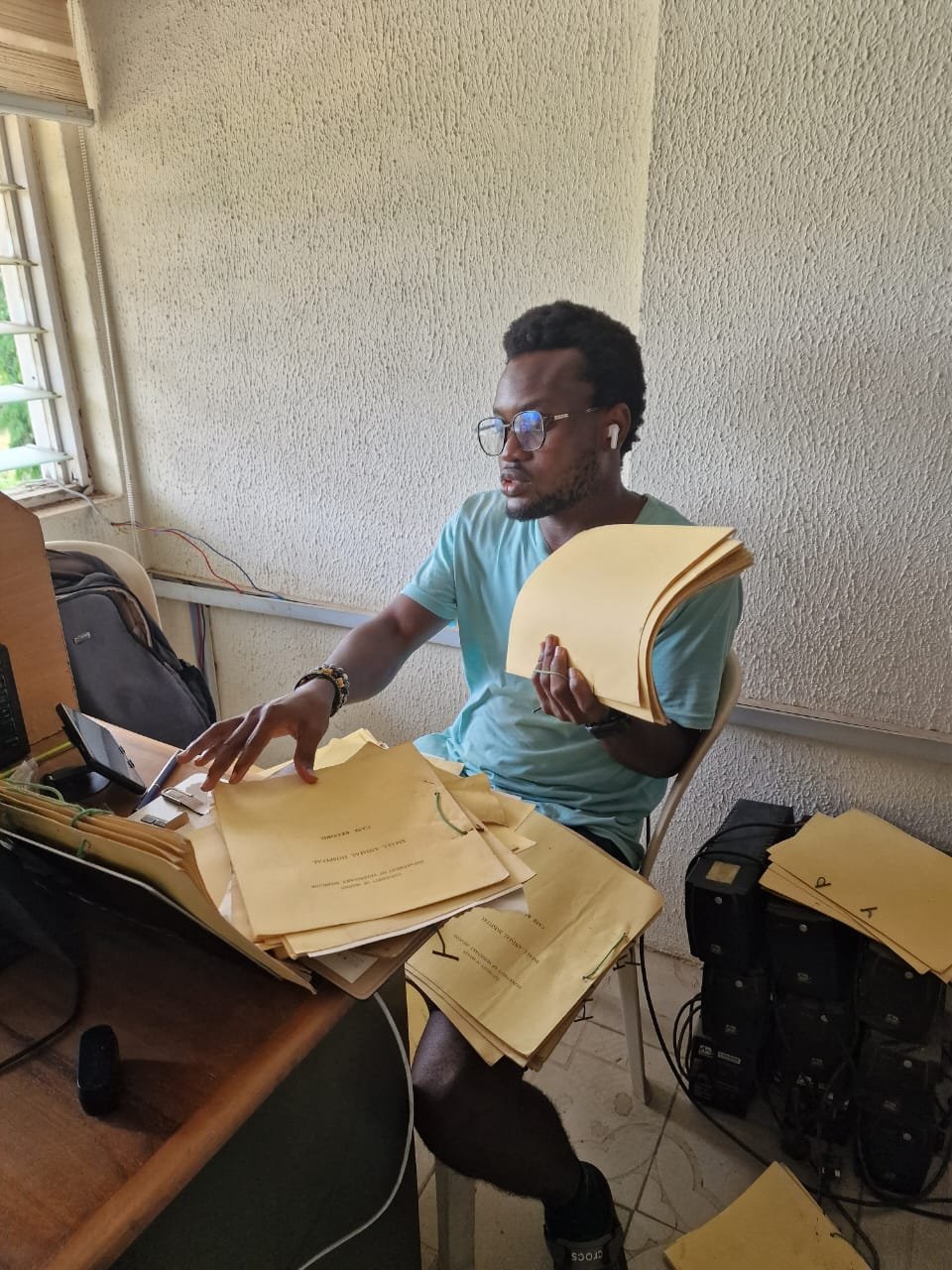
- 3 Scanning and data capture: documents are scanned on-site and key details (names, matriculation numbers, dates, results) are keyed into a purpose-built database so every record can be searched.
- 4 Indexing and vetting: each digitised record is tagged, checked against the paper original and reviewed before it is accepted into the archive.
- 5 Handover: the physical files are returned labelled and reorganised, your staff are shown how to search and retrieve records, and a project report documents what was completed.
Related Projects
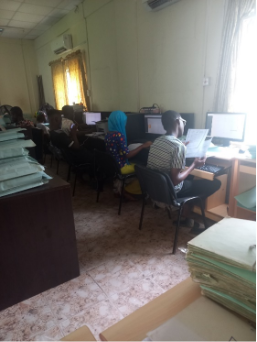
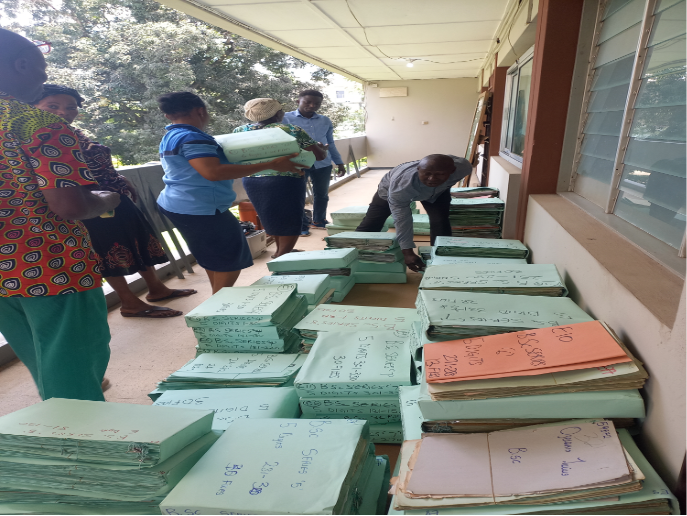
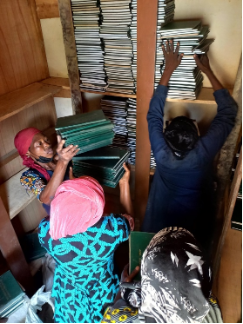
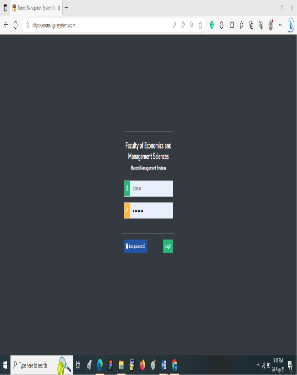
Frequently Asked Questions
No. Records digitalisation is carried out on-site, so original documents stay in your custody throughout the project.
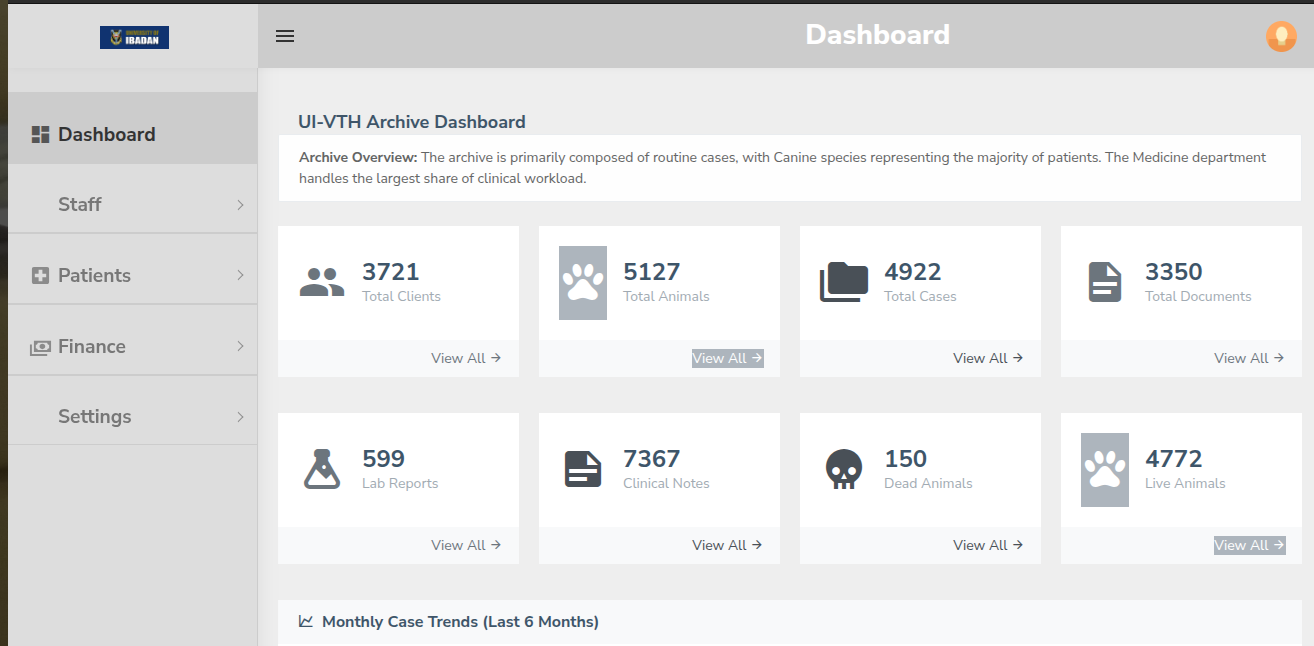
We have digitised student biodata, examination results and transcripts, candidate and membership records, and clinical case records. Any paper record that needs to be found quickly later is a good candidate.
As far back as the paper exists. For the Department of Economics at the University of Ibadan, transcripts covering 1959 to 2002 were digitised and made searchable.
Yes. Large archives are usually split into phases, for example student records first and then projects or administrative files, so each phase is delivered and usable before the next begins.
A searchable digital archive, your physical files returned labelled and neatly reorganised, and a report of the completed work for documentation and continuity.
Be the first to comment.