Employee ROI Tools and the Role of AI in Digital Transformation
Understanding Employee ROI Tools and Their Role in Digital Transformation
The recent case of Rippling, a company that invested heavily in AI but then pivoted to build an employee Return on Investment (ROI) tool, highlights the evolving landscape of how businesses are leveraging artificial intelligence. This shift underscores a significant trend where companies are focusing not only on technology's potential for automation and efficiency but also on its ability to drive strategic business insights.
Employee ROI tools represent a critical component in digital transformation initiatives by providing a comprehensive view of employee performance, cost-effectiveness, and productivity. These tools can help organizations make data-driven decisions about resource allocation, training programs, and talent management, ensuring that every dollar spent on personnel yields maximum value.
The Technology Behind Employee ROI Tools
At the heart of these innovative solutions lie advanced algorithms and machine learning models designed to analyze vast amounts of employee-related data. By integrating various sources such as performance metrics, salary information, training records, and even social media interactions, AI can provide a holistic picture of an individual's contribution to the organization.
A key feature of these tools is their ability to predict future outcomes based on historical patterns. For instance, by analyzing past projects and outcomes, machine learning models can forecast which employees are likely to excel in specific roles or training programs, enabling proactive management strategies that enhance overall team performance.
Implementing Employee ROI Tools: A Strategic Approach
The successful implementation of employee ROI tools requires a strategic approach that goes beyond mere technological integration. Organizations must consider factors such as data governance, privacy concerns, and user adoption when deploying these systems. Ensuring that the data used is accurate, relevant, and anonymized is crucial to maintain trust among employees.
Furthermore, effective communication and training are essential components of any successful rollout. Employees need to understand how their data contributes to organizational goals without feeling like they're being monitored or evaluated unfairly. Regular feedback loops can help refine the tool's accuracy over time, making it a valuable asset for both managers and employees alike.
Business Insights
The integration of employee ROI tools into digital transformation strategies offers numerous business insights that can be leveraged for strategic decision-making and operational efficiency. For instance, these tools provide detailed analytics on how different departments or teams contribute to overall company performance. By analyzing data such as attendance records, project completion times, and productivity levels, managers can identify underperforming areas and implement targeted interventions.
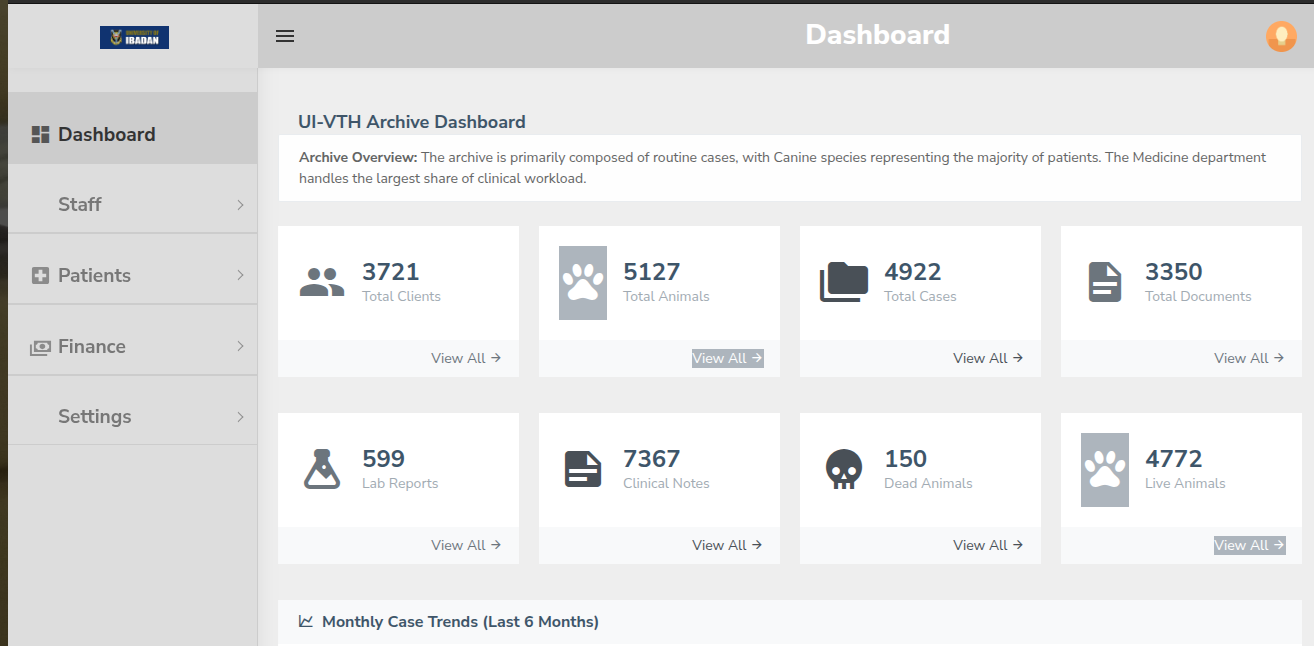
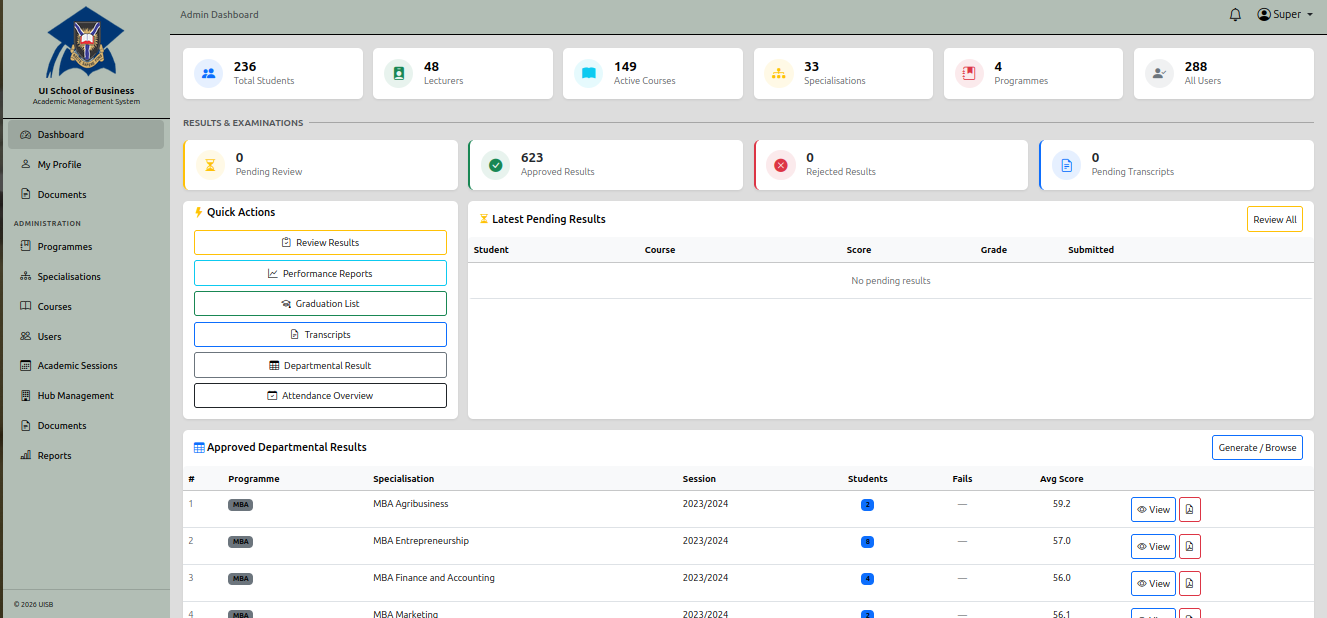
A typical Nigerian business might use this tool to understand the impact of a recent downsizing decision by measuring the change in employee output before and after the restructuring. Additionally, these tools help in optimizing resource allocation; for example, an academic institution TeamO has worked with could use such insights to allocate more resources to departments that are performing well or experiencing growth.
Moreover, employee ROI tools can play a crucial role in identifying high-potential employees who might require additional training or development. This proactive approach not only enhances individual performance but also contributes to the overall professional growth of the workforce, thereby reducing turnover rates and associated costs. By implementing AI-driven analytics, organizations can predict future talent needs based on historical data trends, allowing for better strategic planning in hiring and upskilling initiatives. A practical example could be a tech startup that uses these tools to identify key skills gaps within its team and subsequently invests in specialized training programs to fill those gaps, ensuring the company remains competitive in an ever-evolving technological landscape.
Practical Recommendations
To effectively implement employee ROI tools as part of digital transformation strategies, organizations must first ensure they have a clear understanding of their current HR processes and data management capabilities. This foundational step involves conducting a thorough audit of existing systems to identify any gaps or inefficiencies that the new tool could address. For instance, an academic institution might start by reviewing its current record-keeping practices for student performance and faculty contributions before selecting an appropriate ROI tool.
Next, organizations should prioritize training for HR staff and managers to familiarize them with the new technology and its features. This includes not only technical training on how to use the tools but also broader business intelligence training that helps stakeholders interpret data effectively. A Nigerian company might organize workshops where HR professionals learn to analyze key performance indicators (KPIs) related to employee productivity and cost-effectiveness, enabling them to make informed decisions about resource allocation.
Furthermore, regular follow-up sessions can help address any challenges that arise during the implementation phase, ensuring sustained engagement with the new technology.
Conclusion
As businesses increasingly recognize the importance of investing in employee-centric tools, AI stands as a pivotal enabler in optimizing return on investment (ROI) for both technology infrastructure and human capital. The integration of AI into digital transformation strategies not only streamlines operational efficiency but also enhances decision-making processes through predictive analytics and data-driven insights. By leveraging advanced technologies such as natural language processing and machine learning, organizations can tailor solutions that address specific pain points and drive innovation across various sectors.
Call to Action
To harness the full potential of AI in your organization’s digital transformation journey, consider engaging with TeamO Digital Solutions. Our experienced consultants can help you identify areas for improvement, develop customized solutions, and implement robust IT support systems tailored to your unique needs. Contact us at +234 814 446 6160 or email us at info@teamodigitalsolutions.com to schedule a consultation and discover how we can empower your workforce with the tools they need for success.