Exploring the Fate of AI Automation Startups and Their Impact on Digital Transformation
Understanding the Fate of AI Automation Startups
The recent closure of Relay, an AI automation startup, has sent ripples through the tech community. The decision to shut down operations and lay off staff, with a notable number joining Google’s Chrome team, underscores significant shifts in how companies approach innovation and technology integration.
Why Do AI Automation Startups Fail?
The failure of Relay can be attributed to several factors common among tech startups. These include difficulty securing funding, challenges in scaling operations, and the rapid evolution of technologies that make older models obsolete. In a competitive landscape where new ideas emerge frequently, maintaining relevance and staying ahead is an uphill battle for many startups.
The Transition of Talent
When Relay’s staff moves to Google's Chrome team, it brings with them valuable expertise in AI automation and software development. This talent transfer highlights the importance of continuous learning and adaptation in the tech industry. Established companies like Google are often more equipped to leverage these skills due to their larger resources and more stable environment.
Implications for Digital Transformation
The shift of AI automation experts from startups to established giants can have significant implications for digital transformation strategies across various industries. While startups innovate, they may lack the scale and infrastructure that large companies possess. Conversely, these tech giants benefit from access to cutting-edge technology and fresh perspectives.
Business Insights
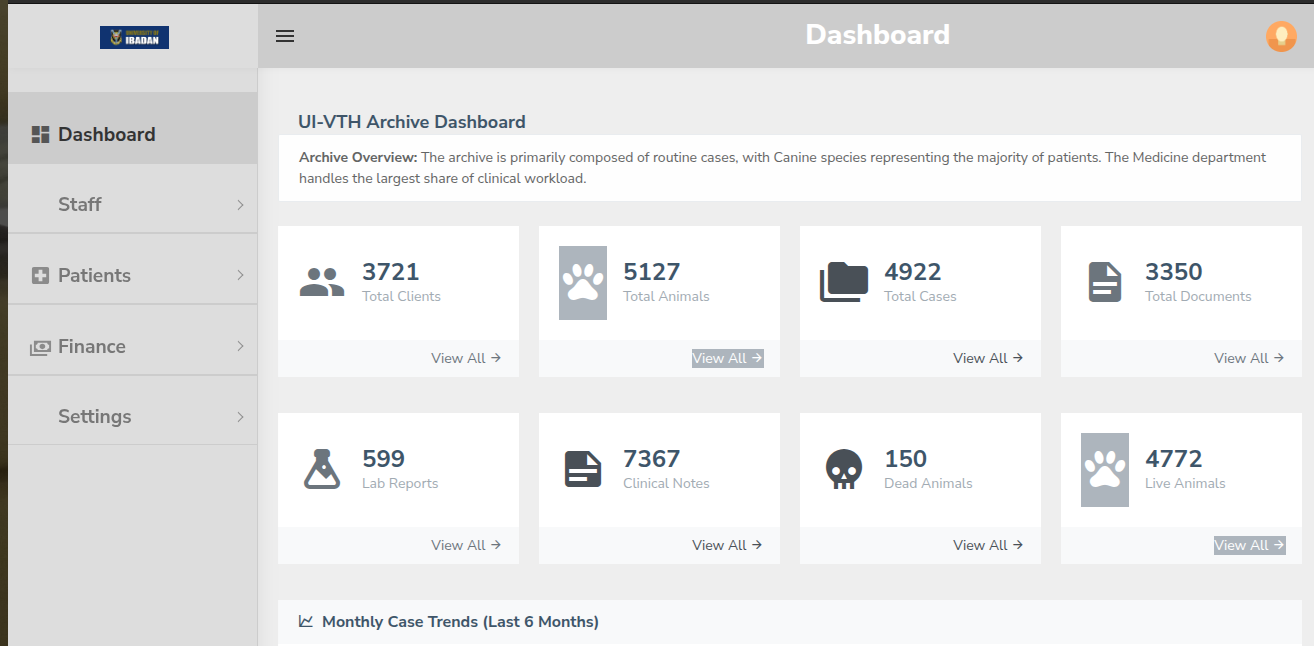
The closure of Relay highlights several critical challenges facing AI automation startups and their impact on digital transformation efforts across various industries, especially in Nigeria and Africa. Firstly, the rapid pace of technological change poses a significant risk to these startups as they often struggle to keep up with new developments without substantial investment. For instance, an academic institution that TeamO has worked with recently had to adapt its records-digitalisation platform to incorporate newer OCR (Optical Character Recognition) technologies and data storage solutions due to advancements in AI and cloud computing.
Additionally, the difficulty in securing consistent funding is another major hurdle for AI automation startups. Startups like Relay often require significant capital to develop innovative technologies and scale their operations, which can be challenging to secure from traditional investors or venture capitalists who may not fully understand the potential of these emerging technologies. An unnamed client engaged by TeamO faced this challenge when trying to expand its custom software development services, needing to find new funding sources that recognized the growing importance of digital solutions in Nigeria's economy.
Practical Recommendations
To mitigate these risks and capitalize on the opportunities presented by AI automation, businesses must adopt a proactive approach. First, establishing robust internal or external R&D (Research and Development) initiatives can help organizations stay ahead of technological trends. For example, an unnamed client could set aside a portion of its annual budget for exploring new technologies like natural language processing (NLP) and machine learning algorithms that can improve their digital transformation efforts.
Secondly, fostering a strong talent pipeline is crucial. By investing in employee training and development programs focused on emerging AI and automation skills, businesses can ensure they have the necessary expertise to implement advanced solutions effectively. For instance, an unnamed academic institution could collaborate with local universities to create internships or part-time positions for students interested in technology, providing them with real-world experience while securing a pipeline of skilled professionals.
Conclusion
As AI automation startups continue to reshape industries, their impact on digital transformation is undeniable. These companies are driving innovation by enhancing efficiency, personalization, and customer experience. However, their rapid growth also brings challenges such as data privacy concerns, skill gaps in workforce adoption, and the need for robust cybersecurity measures. Digital transformation necessitates a strategic approach that integrates these advancements while maintaining human oversight to ensure ethical and sustainable progress.
Call-to-Action
If your business is navigating the complexities of digital transformation or seeking innovative solutions to streamline operations, TeamO Digital Solutions is here to help. Our range of services—from records digitalization and custom software development to IT support and consultancy—empowers businesses like yours to embrace technology without compromising on security or usability. Get in touch with us at +234 814 446 6160 or via our email at info@teamodigitalsolutions.com. Let’s explore how we can tailor digital solutions to fit your unique needs and drive successful transformation.