The Rise of AI in Software Development and Validation

Embracing AI for Enhanced Software Testing
The advent of artificial intelligence (AI) in the realm of software development is reshaping the landscape, particularly through its application in code testing. This transformation has been highlighted by the rapid valuation growth seen at Blacksmith, an AI code-testing startup that experienced a near-decade jump in its worth over a short period.
The technology behind this trend involves AI systems that can analyze and test software code more efficiently than traditional methods. By leveraging machine learning algorithms, these AI tools can identify bugs, optimize performance, and ensure compliance with coding standards at an unprecedented scale. This not only accelerates the development process but also enhances the quality of the final product.
AI in Software Validation: A Game-Changer
The core innovation lies in how AI automates the validation phase of software development, which is traditionally a labor-intensive and time-consuming process. With AI, developers can run extensive tests with minimal human intervention, allowing for faster iteration cycles and quicker release times. This capability is especially crucial in industries where rapid updates are essential, such as technology startups operating in highly competitive markets.
Blacksmith’s success story underscores the potential of AI in transforming not just code testing but the broader software development lifecycle. Its valuation jump from a multi-million dollar funding round to nearly 550 million dollars demonstrates the market’s recognition of this disruptive technology and its applications beyond simple testing. This growth indicates that AI can drive significant value by streamlining complex processes and reducing costs.
Business Insights
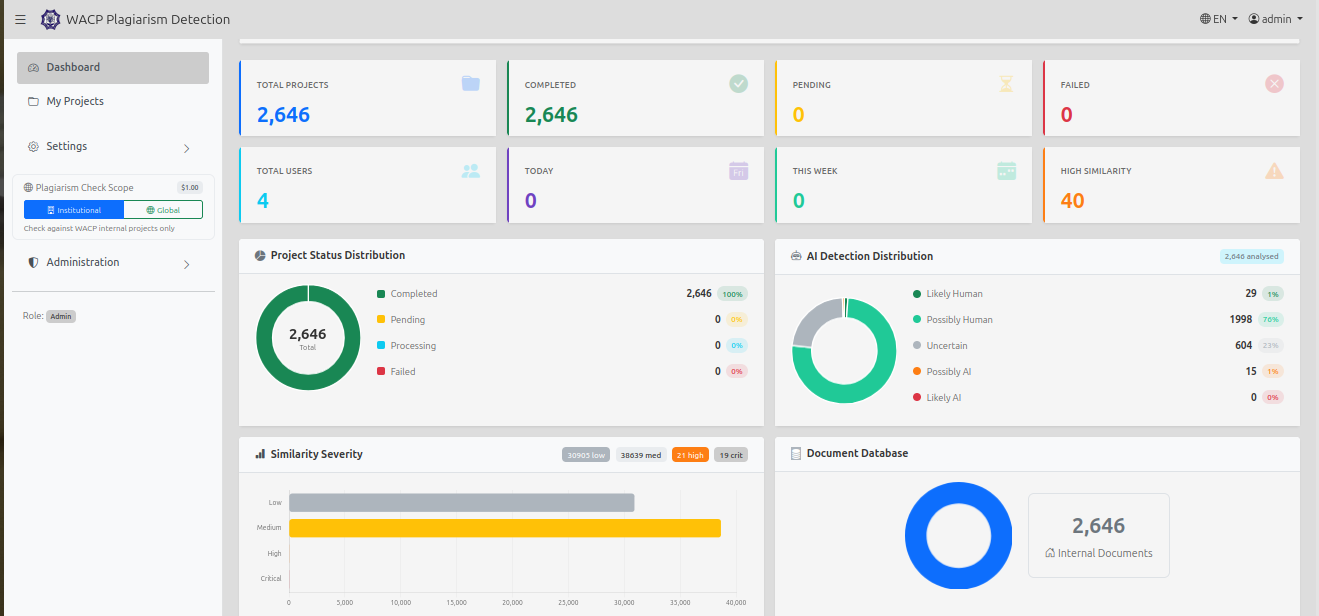
The integration of AI in software development and validation offers significant business insights, particularly for companies looking to streamline operations while maintaining high standards of quality assurance. For instance, a generic records-digitisation client faced challenges in managing vast amounts of paperwork across multiple departments. By adopting an AI-powered solution, the client not only reduced storage costs but also improved data accessibility and accuracy. The automated systems could process documents much faster than human staff, detecting inconsistencies and errors at an earlier stage. This led to more efficient workflow management and enhanced customer service experiences.
In addition to operational improvements, the use of AI in software validation has opened up new avenues for innovation. An academic institution TeamO has worked with sought to improve its research capabilities by developing a custom software platform that leveraged AI for data analysis. This allowed researchers to analyze large datasets more effectively and draw insights faster, ultimately accelerating the pace of scholarly work. The implementation of AI also paved the way for more advanced analytics, enabling the institution to conduct longitudinal studies on complex subjects with greater depth and precision. These examples underscore how AI can drive both operational efficiency and strategic innovation in various sectors.
Practical Recommendations
To effectively implement AI in software development and validation processes, organizations should start by defining clear objectives that align with their business goals. A generic records-digitisation client might focus on reducing document management costs and improving data accuracy. Identifying these specific targets will help in selecting the right AI tools and technologies. Additionally, it’s crucial to establish a robust testing framework early on to ensure that the AI systems perform as expected. For instance, setting up a pilot project can allow for thorough testing of the system's capabilities before full-scale implementation.
Another practical step is to invest in training and support for the team responsible for integrating and maintaining these AI systems. A custom-software client faced challenges due to a lack of knowledge about how to best utilize their new platform, leading to underutilization and inefficiencies. Providing comprehensive training sessions and ongoing support can help overcome this hurdle. Furthermore, organizations should consider setting up dedicated roles within the team, such as an AI specialist or data scientist, to oversee the deployment and maintenance of these systems. This ensures that there is always expertise available to address any issues that may arise.
Conclusion
The integration of AI in software development and validation is reshaping how businesses operate, enhancing efficiency, and driving innovation. As we've explored, AI-driven tools can automate routine tasks, offer predictive analytics, and improve data accuracy, contributing to a more streamlined and reliable digital transformation process. By leveraging these technologies, organizations can not only stay competitive but also address complex challenges in areas such as cybersecurity, customer service, and operational management.
However, the successful implementation of AI requires careful planning, expertise, and robust validation processes to ensure reliability and compliance. This is where TeamO Digital Solutions stands out, offering tailored solutions that harness the power of AI while maintaining a commitment to quality and security.
Call-to-Action
If you're ready to explore how AI can transform your business operations or need assistance with validating new technologies, contact us at +234 814 446 6160 or send an email to info@teamodigitalsolutions.com. Let's discuss how we can work together to bring your ideas to life and drive meaningful change in your organization.