Understanding Automated Decision Systems in Digital Transformation
Automated Decision Systems: A Critical Component of Digital Transformation
The recent fine levied against Uber for nearly $1 billion over automated driver suspensions underscores the growing importance and potential pitfalls of automated decision systems in business operations.
These systems, driven by artificial intelligence (AI) and machine learning algorithms, are increasingly becoming integral to various sectors. From financial services to healthcare, these technologies enable faster, more accurate decisions that can significantly improve efficiency and customer experiences.
Uber's Case: A Real-World Scenario
The case of Uber provides a stark example of the challenges associated with automated decision systems. In this instance, the company implemented an AI-driven system to automatically suspend drivers based on certain criteria. However, these decisions were made without sufficient human oversight and review, leading to wrongful suspensions and significant legal repercussions.
This incident highlights the critical need for robust testing, validation, and ongoing monitoring of such systems.
The Role of AI in Decision Making
Automated decision systems rely on complex algorithms that process large amounts of data to make decisions or predictions. In Uber's scenario, these algorithms might have been trained on a dataset that did not adequately represent the diversity of driving behaviors and situations. As a result, the system made incorrect inferences and acted without proper human intervention.
Ensuring Fairness and Ethical Use
The implementation of automated decision systems must be accompanied by stringent ethical guidelines to ensure fairness and avoid bias. This includes regular audits to identify and mitigate potential biases in the data used for training models. Organizations should also establish clear protocols for human oversight, ensuring that critical decisions are reviewed and corrected where necessary.
Legal and Regulatory Considerations
Businesses must navigate a complex landscape of legal and regulatory requirements when implementing automated decision systems. The Uber case illustrates the importance of compliance with both local and international laws, particularly in terms of data privacy and protection. Companies should consult with legal experts to ensure that their systems comply with relevant regulations and avoid costly fines or reputational damage.
Practical Steps for Implementing Automated Decision Systems
To mitigate risks and reap the benefits of automated decision systems, businesses can follow these practical steps:
- Comprehensive Data Validation: Ensure that data used to train models is comprehensive, accurate, and unbiased.
- Ongoing Monitoring: Continuously monitor system performance and make adjustments as needed.
- Human Oversight: Integrate human review processes to ensure critical decisions are made ethically and responsibly.
- Compliance Audits: Regularly conduct audits to check for compliance with legal and ethical standards.
Business Insights
The integration of automated decision systems in digital transformation strategies presents both significant opportunities and substantial risks for businesses across Nigeria and Africa. On one hand, these systems can revolutionize operational efficiency by enabling real-time analysis and decision-making processes that are faster and often more accurate than human counterparts.
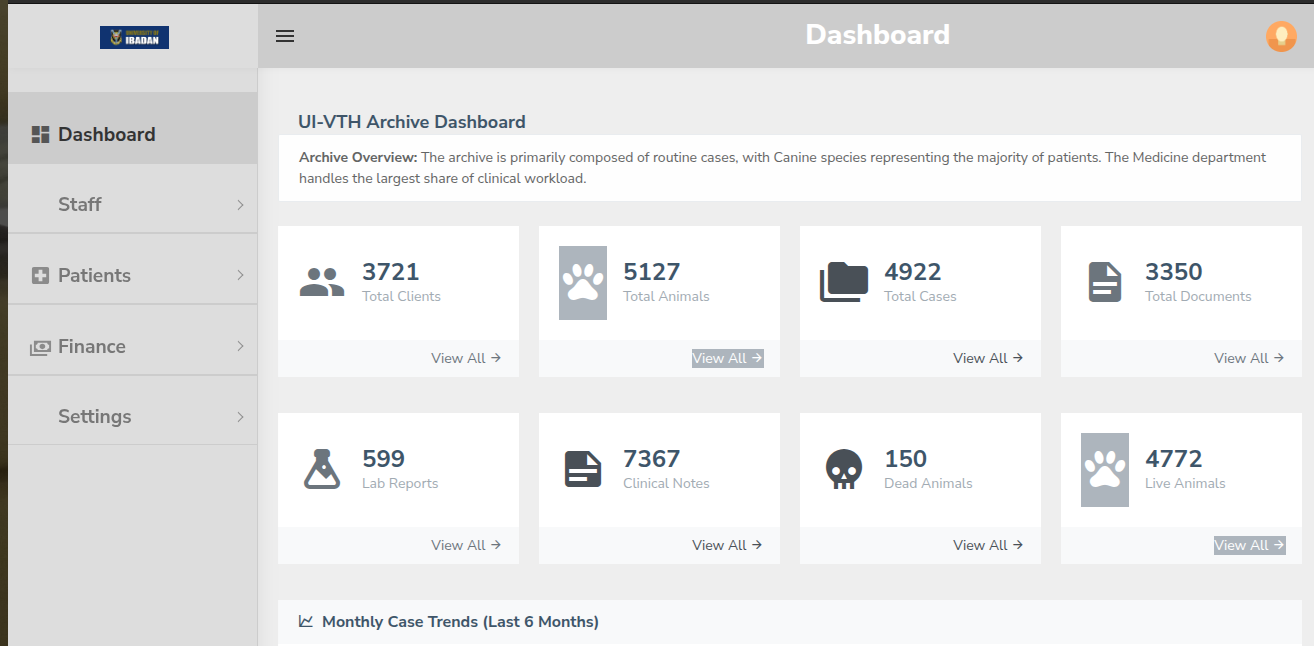
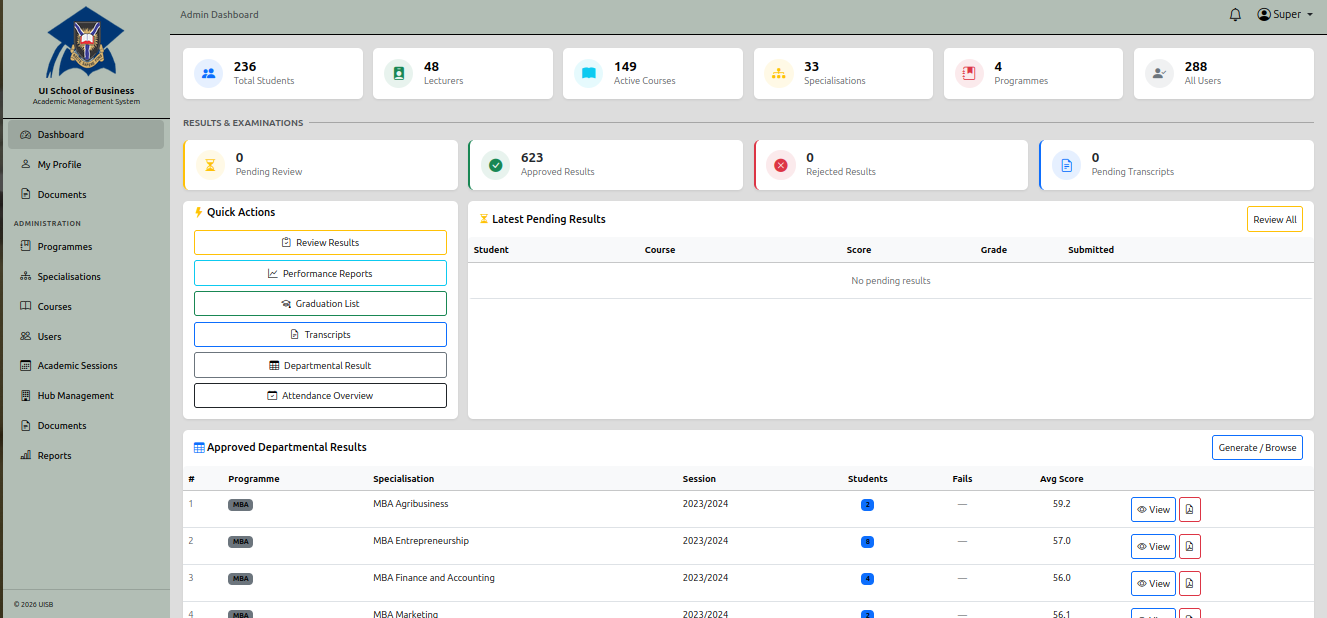
For instance, a records-digitisation client may benefit from automating the approval process for document access requests, reducing delays and ensuring consistent application of rules across all departments. Similarly, an academic institution TeamO has worked with could streamline its student admission procedures through automated decision systems, improving throughput and fairness in admissions criteria evaluation.
However, these benefits come with potential pitfalls. The Uber case highlighted the critical need for transparency and accountability in the decision-making process of AI-driven systems. Businesses must ensure that their automated systems are not only efficient but also fair and aligned with ethical standards. For example, an insurance company might implement an automated underwriting system to assess risk based on data inputs, but it is crucial to regularly audit these decisions to prevent biases that could disadvantage certain groups or lead to unfavorable outcomes for customers.
The lack of human oversight can result in unexpected errors or over-reliance on flawed algorithms, leading to potential legal and reputational risks.
Practical Recommendations
To effectively implement automated decision systems while mitigating these risks, businesses should adopt a phased approach that includes robust planning, rigorous testing, continuous monitoring, and proactive management. Firstly, they must conduct thorough needs assessments to identify the most suitable areas for automation within their operations.
This could involve analyzing workflows where human judgment is currently being applied but may benefit from faster, more accurate decision-making through AI. For example, an organization might determine that automated approval processes for employee leave requests can significantly reduce administrative burdens while maintaining necessary compliance.
Secondly, businesses should invest in building or selecting a reliable and transparent technology stack for their automated systems. This includes choosing the right algorithms, integrating them with existing IT infrastructure, and ensuring data quality and security. A practical recommendation would be to partner with reputable vendors that offer explainable AI solutions, which allow stakeholders to understand how decisions are made, enhancing trust and accountability.
For instance, an academic institution could work with a vendor to develop an automated system for student performance evaluation, where the algorithm’s decision-making process can be audited and understood by educators.
Finally, ongoing monitoring and maintenance are crucial to ensure that automated systems continue to function as intended and adapt to changing business environments. Regularly review and update algorithms based on new data and feedback from users. Implementing a system of checks and balances is also important; designate roles for human oversight in critical decision-making processes where AI outputs could have significant impacts.
An example would be having a senior manager approve any unusual or flagged decisions made by the automated system, ensuring that human judgment still plays a vital role.
Conclusion
Understanding automated decision systems (ADS) is crucial for businesses navigating digital transformation, as these systems play a pivotal role in enhancing efficiency, accuracy, and decision-making processes. ADS can streamline operations by automating repetitive tasks, providing real-time insights through data analysis, and ensuring compliance with regulatory standards.
By leveraging ADS, companies can achieve significant cost savings and improve customer satisfaction. However, it is essential to address potential biases and ensure transparency to maintain ethical standards.
Call-to-Action
If your business seeks to harness the power of automated decision systems but needs guidance on implementation or integration, TeamO Digital Solutions stands ready to assist. Our consultancy services can help you assess current operations, identify suitable technologies, and develop a robust ADS strategy tailored to your unique needs.
Contact us at +234 814 446 6160 or email us at info@teamodigitalsolutions.com to schedule a consultation and take the first step towards optimizing your decision-making processes.