What We Learned Building a Records Digitalisation System Like West African College of Physicians
 By Charles Ikyese
September 29, 2026
6 min read
By Charles Ikyese
September 29, 2026
6 min read

Understanding the Challenge: The Need for Digital Transformation at WACP
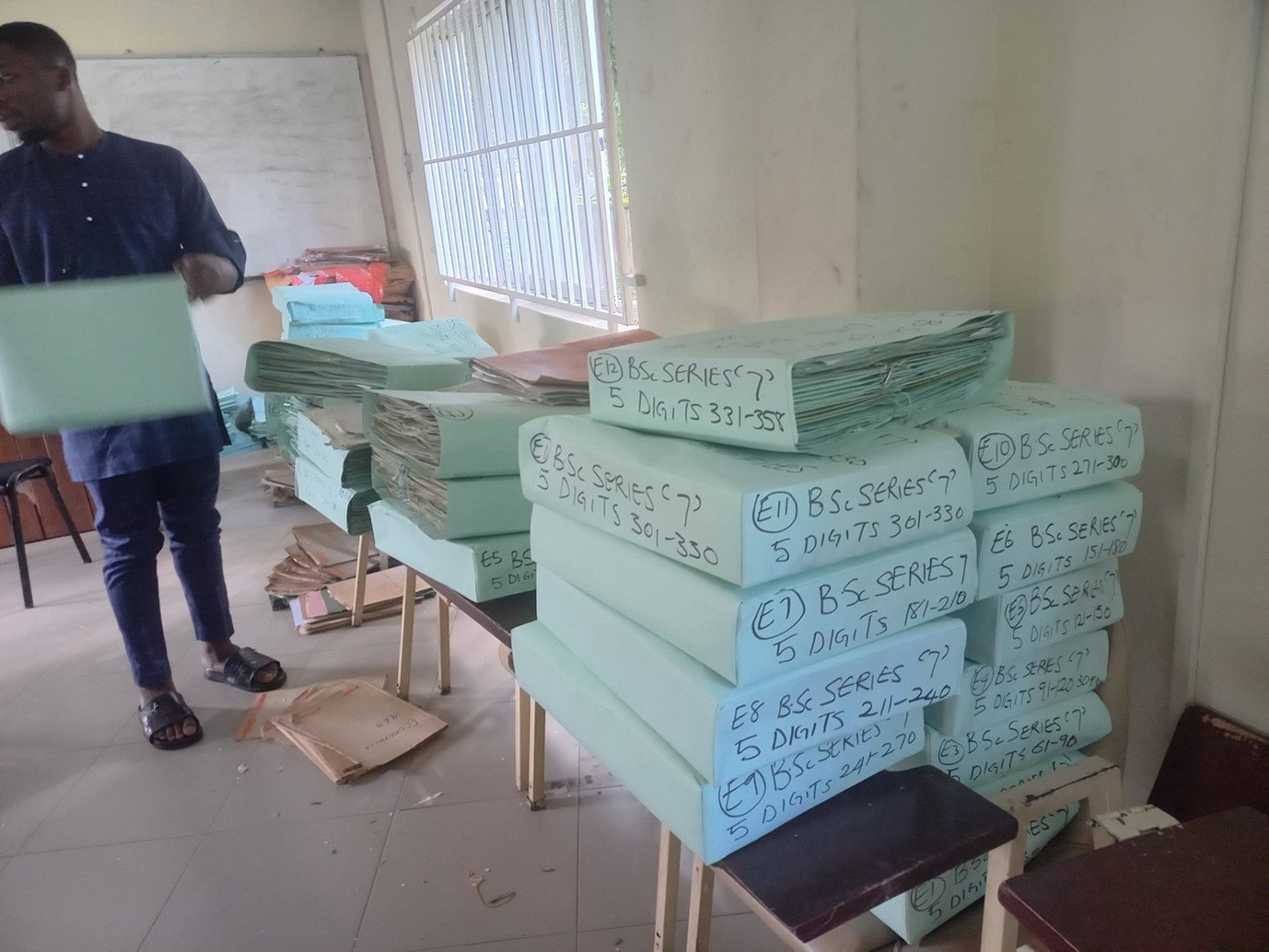
The West African College of Physicians (WACP) is a postgraduate medical training institution with a long-standing tradition, but like many organizations rooted in paper-based record-keeping, they faced significant challenges in managing and accessing critical documents. Decades of accumulated records, from examination files to AGM meeting minutes, were scattered across physical documents, making it cumbersome and inefficient for staff and candidates alike to track applications, verify qualifications, or retrieve relevant information.
These limitations not only slowed down administrative processes but also posed risks related to document loss and confidentiality. The need for a robust digital solution was clear, and this is where we, at TeamO Digital Solutions, stepped in to provide a comprehensive records digitalisation system that would transform the way WACP managed its vast array of records.
From Paper to Pixel: Our Approach
The first step in any successful digitization project is understanding the existing landscape. We began by conducting an extensive document inventory, cataloguing every piece of paper that needed to be digitised. This involved scanning and tagging each record with metadata that would allow for quick searches and accurate categorisations.
Once the physical documents were converted into digital files, we built a CodeIgniter-based records management system. This platform not only centralised all the data but also provided user-friendly interfaces for different stakeholders—administrative staff, candidates, and examiners alike. By organizing candidate applications by class (primary, membership, fellowship), faculty, and sub-speciality, we ensured that information was easily accessible while maintaining strict access controls.
The system's architecture is designed with role-based access control in mind, ensuring that each user has the necessary permissions to view or modify specific types of data. For instance, administrative staff can manage accreditation records, while candidates and examiners have limited access to their respective documents. This level of granularity enhances security and compliance while streamlining day-to-day operations.
Results: A More Efficient and Secure System
The implementation of the digital system has been nothing short of transformative for WACP. It now tracks over 7,500 candidates across three application classes, manages multiple faculties and exam centres, and records 39 AGM meetings—all within a single searchable database. This not only speeds up administrative tasks but also ensures that all relevant information is accessible at the click of a button.
The system’s impact extends beyond mere digitisation; it has fundamentally changed how WACP operates. Staff can now quickly verify accreditation, track candidate progress, and access meeting minutes with ease. Moreover, the centralised nature of the records makes it easier to comply with regulatory requirements and maintain confidentiality. The feedback from users has been overwhelmingly positive, highlighting the system’s intuitive design and efficiency.
Our work on this project underscores the importance of a tailored approach in digital transformation initiatives. By understanding the unique needs of our clients and leveraging robust technologies like CodeIgniter, we can deliver solutions that not only meet but exceed expectations. For organizations looking to streamline their record management processes, embracing digitisation is no longer just an option—it’s a necessity.
Business Insights
The successful implementation of records digitalisation at the West African College of Physicians (WACP) offers profound business insights that can be leveraged by other institutions and organizations across Nigeria and Africa. Firstly, it highlights the critical need for digitization to streamline administrative processes, reduce paper-based inefficiencies, and enhance data accessibility. By centralizing and securing documents in a digital repository, WACP not only improved its operational efficiency but also ensured better confidentiality and reduced the risk of document loss. This is particularly significant in an African context where physical records are often susceptible to damage or theft.
Secondly, the project underscores the importance of custom-built systems that align with specific organizational needs. While off-the-shelf solutions can be tempting due to their ease of implementation and perceived cost-effectiveness, they may not fully address unique business requirements. The custom solution developed for WACP was tailored to manage candidate applications across different classes, faculties, and exam centres, providing a seamless user experience that was instrumental in the smooth transition from paper-based systems. This bespoke approach can serve as a model for other institutions seeking to digitize their records but must be balanced against potential higher costs and complexity.
Practical Recommendations
To achieve successful records digitalisation, it is crucial to engage with experienced technology partners who understand the specific needs of your organization. This involves conducting thorough research into existing document management systems before selecting a provider. For instance, during our work with WACP, we identified the need for a system that could handle vast amounts of historical documentation while also supporting current and future applications. Engaging with such partners can help in identifying the right technology stack and ensuring data security from the outset.
Another key recommendation is to plan and execute a comprehensive training program for all stakeholders involved. As seen at WACP, staff resistance or lack of familiarity with new systems can hinder adoption and effectiveness. A well-structured training regimen that includes hands-on workshops, online resources, and ongoing support can significantly boost user acceptance. For example, we provided extensive training sessions to WACP's administrative team, which helped in addressing any concerns and ensuring they were confident using the new system.
Conclusion
Building a records digitalisation system like the one for the West African College of Physicians (WACP) taught us that thorough planning, meticulous execution, and user-centric design are essential for successful implementation. The project highlighted the importance of integrating advanced technologies with robust security measures to ensure the integrity and accessibility of sensitive information. By digitising decades of physical records, WACP was able to streamline its operations, enhance data management, and improve candidate tracking across various classes and faculties. This experience underscored the transformative power of digital solutions in healthcare institutions and beyond.
Call-to-Action
If your organization is facing similar challenges with managing large volumes of records or needs custom software development tailored to your specific requirements, we at TeamO Digital Solutions are here to help. Let’s transform your paper-based processes into a seamless digital experience. Contact us today at +234 814 446 6160 or send an email to info@teamodigitalsolutions.com. Together, we can unlock the full potential of your data and drive your business forward.
Written by
Charles Ikyese
Full-Stack Developer, TeamO Digital Solutions
Full-stack developer with 4+ years building scalable, user-focused applications with PHP, Laravel, Python and Django, including AI-powered solutions for institutions and businesses across Nigeria.
More about Charles Ikyese →