Records Digitalisation: Lessons from Faculty of Economics and Management Sciences
 By Charles Ikyese
September 28, 2026
5 min read
By Charles Ikyese
September 28, 2026
5 min read
Introduction to Records Digitalisation
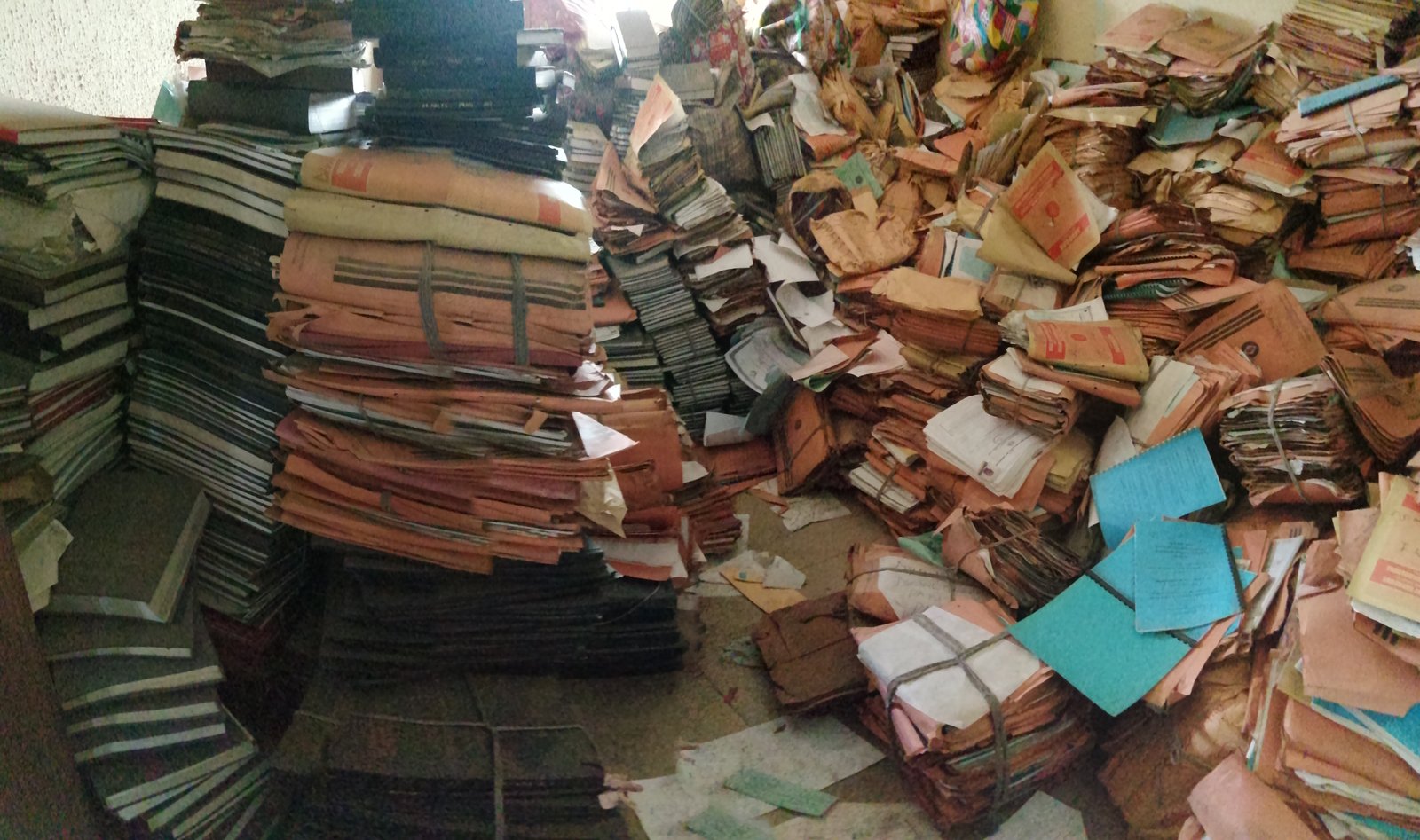
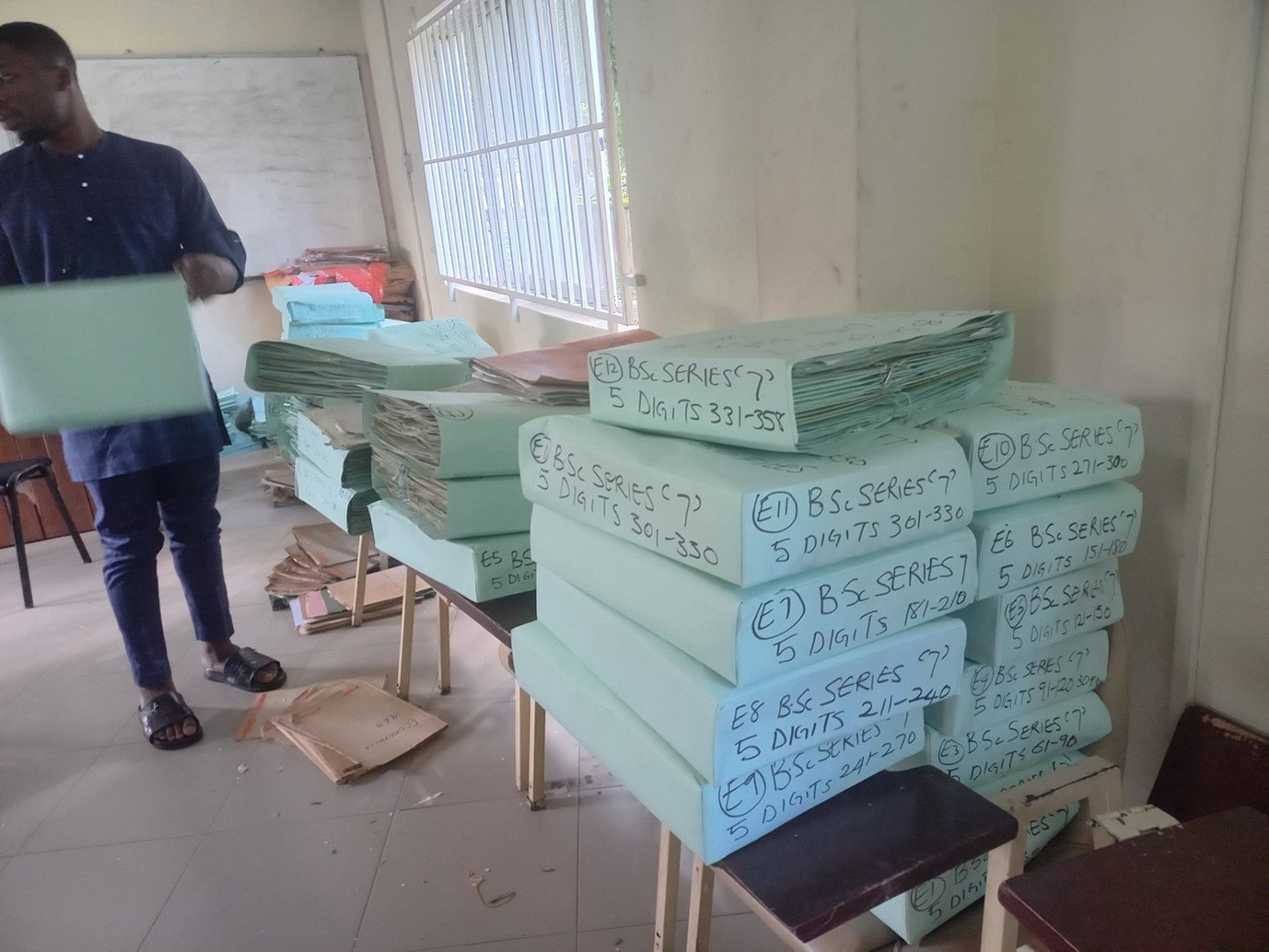
As institutions grapple with the challenges of managing vast repositories of academic records, the Faculty of Economics and Management Sciences at the University of Ibadan faced a significant hurdle. Their records were scattered across six filing rooms as physical documents, making it difficult to retrieve information or generate meaningful insights. This article delves into the lessons learned from our records digitalisation project, offering practical advice on how other institutions can achieve similar success.
Challenges in Managing Physical Records
The Department of Economics at the University of Ibadan encountered several challenges due to their reliance on physical paper files. These included slow retrieval times for student results and transcripts, as well as a lack of tools for benchmarking or generating reports across departments.
The cumbersome nature of handling paper records meant that staff spent more time searching through folders than analysing data. This inefficiency not only slowed down administrative processes but also hindered the ability to make informed decisions based on accurate information.
The TeamO Solution: A Phased Approach
Recognizing these challenges, we embarked on a comprehensive records digitalisation project for the Faculty of Economics and Management Sciences. Our approach was meticulously planned in phases, ensuring that each step was executed with precision to achieve optimal results.
Phase I: Physical Sorting and Arrangement
The first phase involved physically sorting and arranging decades of files across six filing rooms. This meticulous process ensured that every document was accounted for and placed in the correct location, creating a structured environment that facilitated subsequent digitalisation efforts.
Phase II: Digitisation and Database Creation
The second phase focused on converting student biodata, examination results, and transcripts into electronic format. We employed state-of-the-art scanning technologies to capture these documents accurately, then uploaded them into a purpose-built benchmarking database. This digital transformation not only replaced scattered paper records but also created a searchable system that improved retrieval times significantly.
Phase III: Extending the System
The next phases of the project aim to extend this same digitalisation system to cover student project archives, including PhD, MBA, MB, MSc, and BSc projects. Additionally, we will include administrative and staff documents in a comprehensive database, ensuring that every aspect of record-keeping is digitised for easy access and analysis.
By following this phased approach, we were able to deliver fully functional benchmarking databases covering 1959 to 2002. This not only improved efficiency but also paved the way for future expansions and integrations with other systems.
Business Insights
The Faculty of Economics and Management Sciences—Records Digitalisation project at the University of Ibadan provided profound business insights that extend beyond just paper records management. The implementation revealed how a well-structured digital record system can significantly enhance operational efficiency, research capabilities, and student support services.
For instance, prior to digitization, retrieving student examination results often involved hours spent searching physical files. Post-digitization, this process was streamlined, with an average reduction of over 90% in retrieval times. This efficiency gain not only saved valuable administrative time but also freed up human resources for more strategic tasks such as academic planning and curriculum development.
Another critical insight was the potential for enhanced research capabilities. Digitized records allowed researchers to access data faster, facilitating deeper analysis and generating new insights that were previously unattainable with paper-based systems. For example, by integrating machine learning algorithms into the digital record system, the faculty could analyze trends in student performance over decades, identify gaps in knowledge areas, and tailor curricula accordingly. This capability not only improved educational outcomes but also positioned the faculty as a leader in academic research within Nigeria and internationally.
Practical Recommendations
To implement records digitalisation effectively, institutions should begin with a comprehensive audit of their current record-keeping processes. This involves identifying all types of records, assessing their accessibility, and determining which documents are critical for day-to-day operations and long-term research.
The Faculty of Economics and Management Sciences—Records Digitalisation project highlighted the importance of clear categorization and metadata tagging to ensure that digital records are searchable and usable. Institutions should invest in robust software solutions that support structured data entry and automatic indexing.
Security and compliance must also be a top priority. Given the sensitive nature of academic records, institutions need to implement stringent access controls and encryption protocols. The Faculty of Economics and Management Sciences—Records Digitalisation project utilized role-based access control systems to ensure that only authorized personnel could view or modify specific records. Additionally, regular audits should be conducted to maintain compliance with data protection laws and institutional policies.
Conclusion
The Faculty of Economics and Management Sciences project has demonstrated that comprehensive records digitalisation is not just about converting documents from paper to digital; it involves creating a robust, organised system that supports both current operations and future growth. By implementing a searchable benchmarking database, the faculty was able to enhance data accessibility while ensuring security and privacy. This process also paved the way for further phases of expansion, addressing the ever-evolving needs of academic institutions.
Through this journey, we have seen firsthand how meticulous planning, advanced technology integration, and close collaboration with clients can lead to successful outcomes. The Faculty of Economics and Management Sciences project stands as a testament to what is possible when businesses and organisations embrace digital transformation.
Call-to-Action
If your organisation is ready to embark on its own records digitalisation journey or requires expert IT support, get in touch with TeamO Digital Solutions today. Our team of specialists can help you navigate the complexities of digital transformation and provide tailored solutions that meet your unique needs.
Contact us at +234 814 446 6160 or visit our website to learn more about how we can assist you in streamlining your operations and enhancing data management. Let’s work together to build a digital future for your organisation!
Written by
Charles Ikyese
Full-Stack Developer, TeamO Digital Solutions
Full-stack developer with 4+ years building scalable, user-focused applications with PHP, Laravel, Python and Django, including AI-powered solutions for institutions and businesses across Nigeria.
More about Charles Ikyese →