Why Institutions Are Transitioning Their Decades-Old Paper Records to Searchable Digital Archives
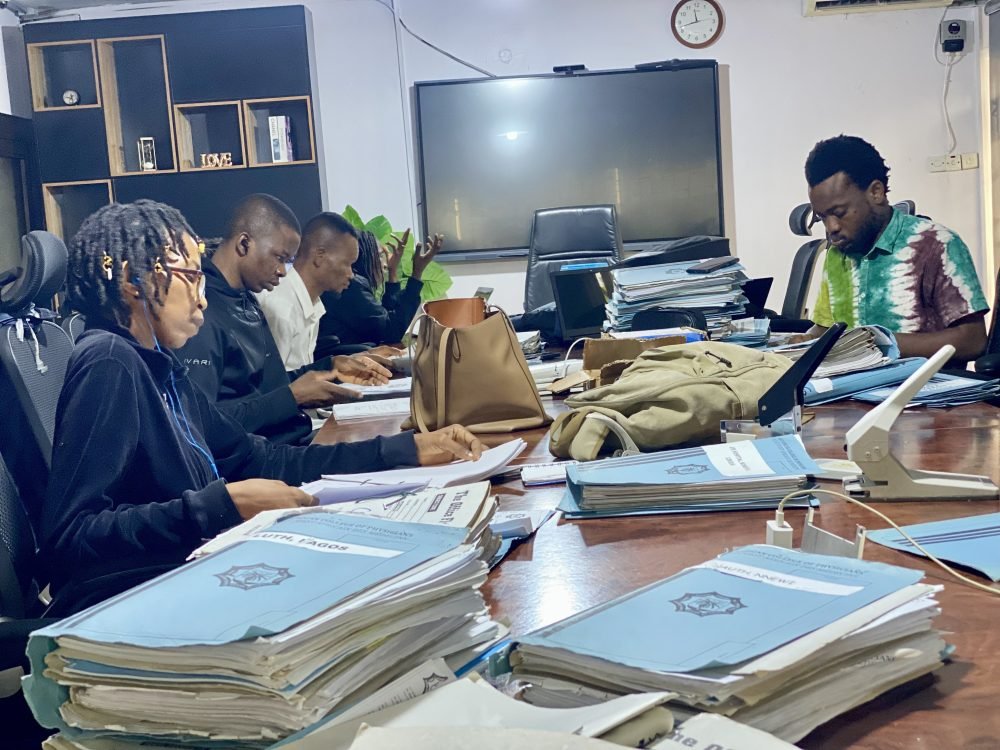
Embracing Digital Transformation: Why Institutions Are Moving from Paper Records to Searchable Archives
In an era where data is the new oil, institutions with decades of accumulated paper records are recognizing the critical need for digital transformation. The shift towards searchable digital archives offers numerous benefits that enhance accessibility, security, and overall organizational efficiency. This article explores the compelling reasons why these institutions are embracing this transition and the challenges they face along the way.
The Advantages of Digital Archives
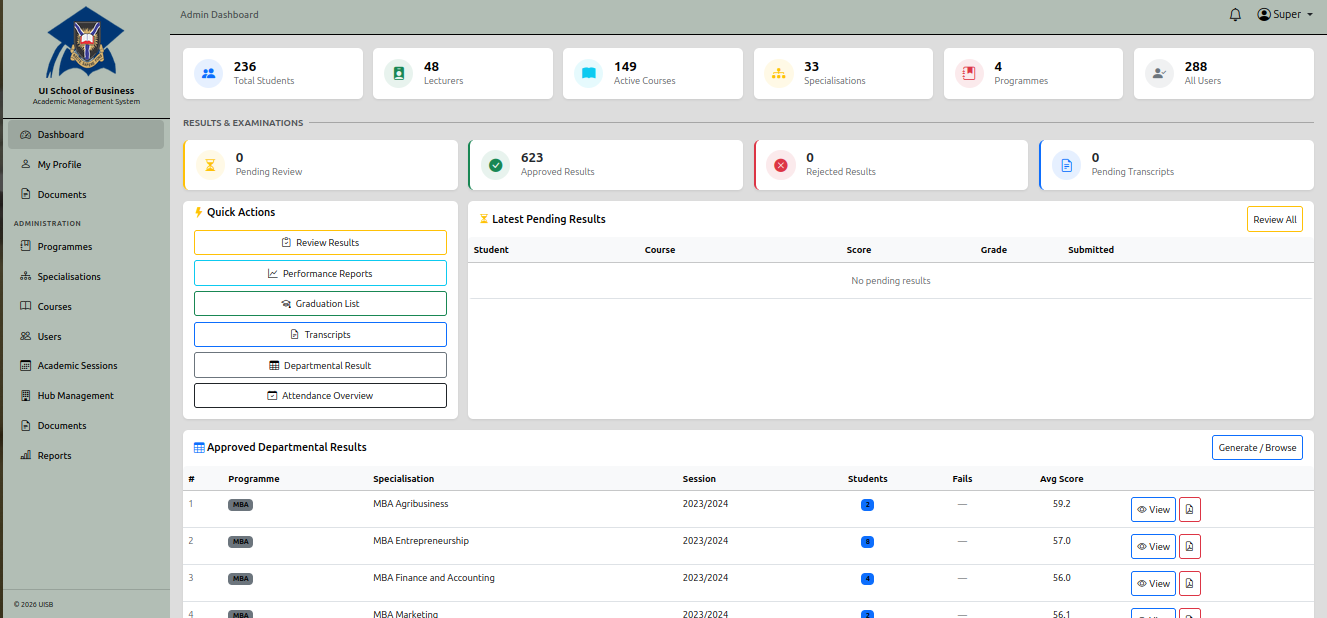
Enhanced Accessibility: One of the most significant advantages is improved accessibility. In a searchable digital archive, documents can be accessed from anywhere with an internet connection, making it possible for researchers, students, and staff to find information quickly and efficiently. For example, the Faculty of Economics and Management Sciences at the University of Ibadan digitized over 60 years of academic records, creating a searchable database that has dramatically reduced the time required to retrieve specific documents.
Improved Security: Paper records are vulnerable to damage from fire, water, insects, and other environmental factors. Digitization ensures that these records are protected against such risks. Additionally, digital archives can implement robust security measures, such as encryption, access controls, and backup systems, to safeguard sensitive information.
The Challenges of the Transition
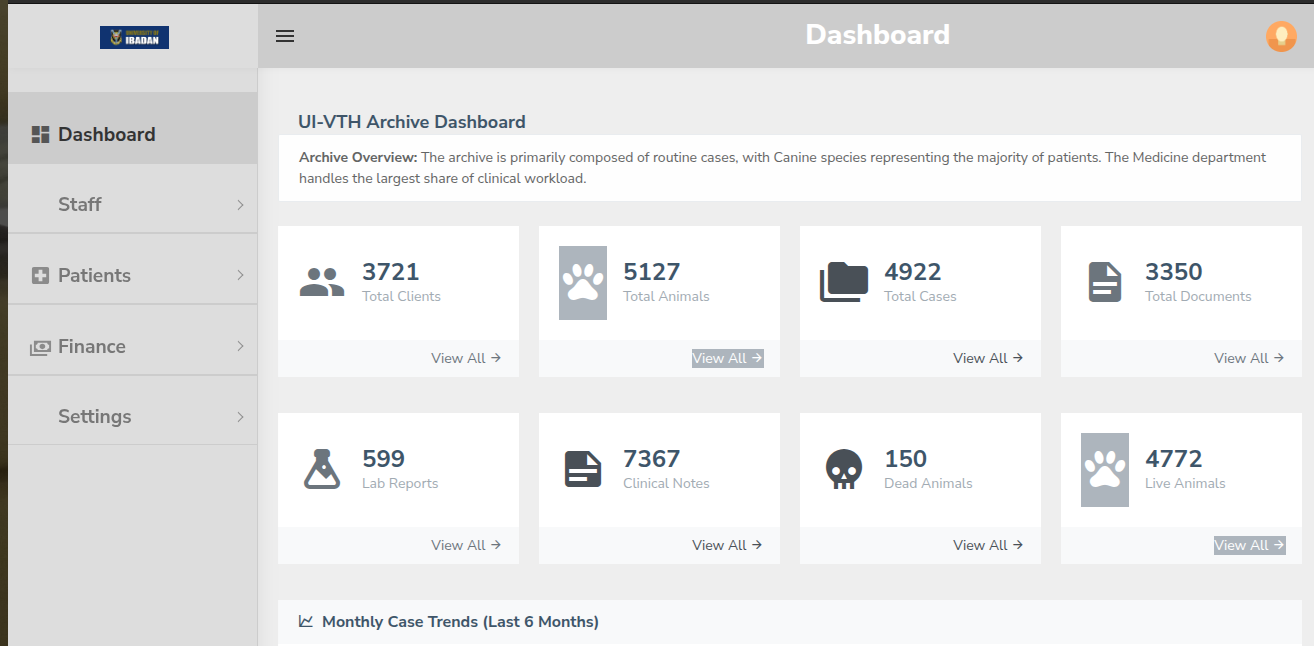
While the benefits of digitizing historical records are clear, the transition is not without its challenges. One major hurdle is the sheer volume of documents that need to be digitized. For instance, the Veterinary Teaching Hospital at the University of Ibadan had over 3,700 client records and thousands more case files and clinical notes that required thorough scanning and imaging.
Quality Control: Ensuring the accuracy and integrity of the digital archive is crucial. This involves meticulous data entry, validation processes, and quality control checks to prevent errors from being introduced into the system. For example, during the digitization project for the West African College of Physicians, rigorous metadata entry and validation procedures were implemented to maintain the reliability of the archival records.
Resource Allocation: Digitizing paper records requires significant investment in hardware, software, and personnel training. The Faculty of Economics and Management Sciences at the University of Ibadan invested considerable resources into digitizing academic records, which involved not only technical equipment but also extensive staff training to ensure a smooth transition.
Business Insights
The transition from paper records to searchable digital archives offers significant business insights and strategic advantages for institutions across various sectors in Nigeria and Africa. One key insight is the substantial reduction in storage costs. Physical space dedicated to file cabinets, filing rooms, and archival vaults can be repurposed or reduced, leading to lower overhead expenses. For example, an academic institution TeamO has worked with was able to free up over 2,000 square meters of valuable office space by digitizing its records, which could now be managed more efficiently within a smaller area.
Moreover, digital archives enhance the accessibility and security of sensitive information. Digitization ensures that critical data is always at hand and accessible in real-time to authorized personnel, regardless of their physical location. This can significantly expedite decision-making processes, especially in emergencies or when remote access is required. For instance, during a crisis situation, emergency responders can quickly retrieve vital patient records from the digital archive of a healthcare facility, potentially saving lives by ensuring that critical information is readily available and accurate.
Practical Recommendations
To successfully transition paper records to searchable digital archives, institutions should start with a thorough assessment of their current record-keeping systems. This involves evaluating the volume and variety of documents, understanding the specific needs of various departments, and identifying any gaps in current processes. By conducting this initial audit, an institution can gain clarity on what needs to be digitized and how it will integrate into existing workflows. For example, a comprehensive assessment might reveal that historical student records should remain accessible but not actively used daily, while financial documents need immediate and secure digital access.
The next step is selecting the right technology stack for digitization. Institutions must consider both short-term costs and long-term benefits when choosing software tools and hardware solutions. Custom software development can provide a tailored solution that fits specific institutional needs, whereas off-the-shelf platforms may offer faster deployment but might not fully meet all requirements. An academic institution TeamO has worked with decided to implement a custom digital records management system that included features for version control, access restrictions, and data encryption, ensuring compliance with local data protection regulations.
Conclusion
Transitioning from decades-old paper records to searchable digital archives is not merely about organizing documents more efficiently; it's a strategic move that enhances accessibility, scalability, and security for institutions across various sectors. Digital archives provide a robust platform for institutions to leverage advanced technologies such as AI-powered search functionalities and cloud storage solutions, which were unimaginable just a few years ago. These systems enable faster retrieval of information, improved collaboration among stakeholders, and better compliance with regulatory requirements.
By adopting digital archiving, institutions can unlock significant benefits that improve operational efficiency and support long-term strategic goals. The transition process involves more than just digitizing documents; it requires careful planning, robust IT infrastructure, and a commitment to continuous improvement. Institutions that successfully make this shift are better positioned to thrive in an increasingly digital world.
Call to Action
If you're considering transitioning your paper records to a searchable digital archive or need assistance with custom software development, IT support services, or consultancy, we at TeamO Digital Solutions can help. Our experienced team offers clear and practical guidance tailored to your unique needs, ensuring that the transition is smooth and beneficial for your institution.
Get in touch through our email or call us at +234 814 446 6160 to schedule a consultation. Let’s work together to modernize your records management and transform the way you operate.