Embrace Agile Methodologies for Seamless Digital Transformation
 By Charles Ikyese
August 8, 2026
6 min read
By Charles Ikyese
August 8, 2026
6 min read
Unlocking Flexibility with Agile Methodologies in Digital Transformation
Digital transformation is no longer a one-size-fits-all endeavor; it requires adaptability and responsiveness to the ever-evolving technological landscape. Enter agile methodologies, which have become a cornerstone for successful digital transformation projects.
By adopting an iterative and incremental approach, organizations can break down complex initiatives into manageable tasks, fostering continuous improvement and ensuring that their technology solutions remain aligned with business objectives. Agile methodologies, such as Scrum or Kanban, prioritize collaboration, transparency, and customer satisfaction, enabling teams to respond quickly to changes, deliver value more efficiently, and maintain a high level of quality throughout the project lifecycle.
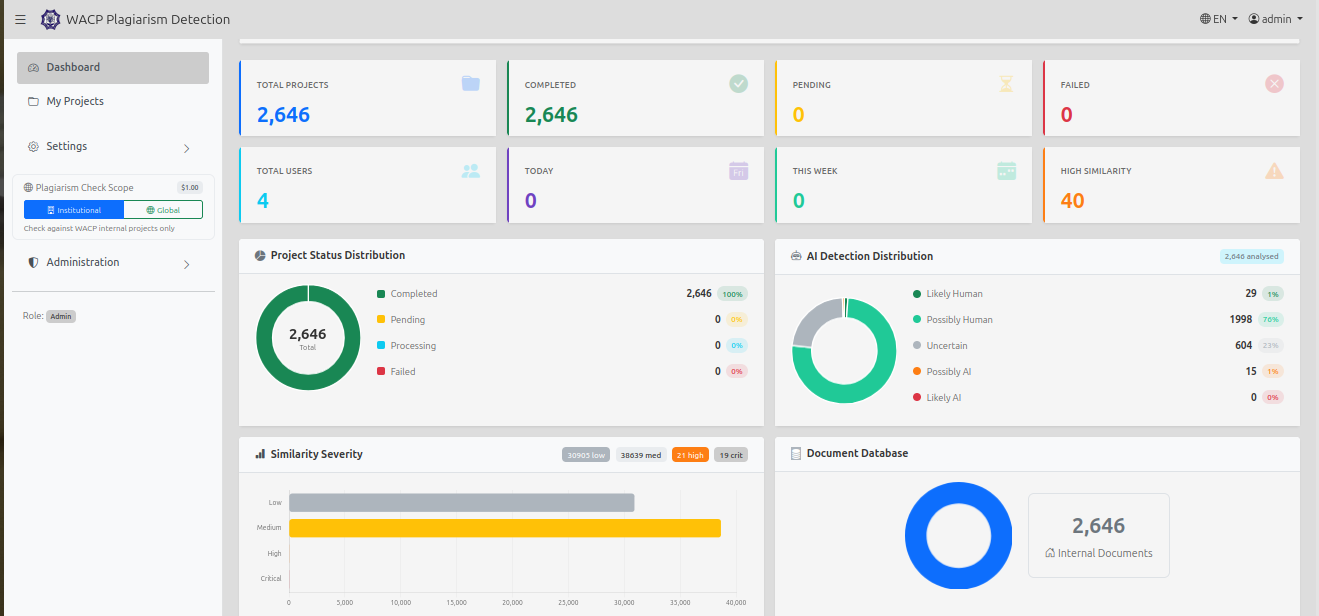
For instance, in our recent work with TRAC — Thousand Hills Research and Action Collective, we implemented agile practices to manage their research and advocacy platform effectively, enabling frequent updates and seamless integration with evolving needs.
The Core Principles of Agile Methodologies
At the heart of agile methodologies lie several key principles that can significantly impact digital transformation projects. These include:
Maintaining a Customer-Centric Approach
Agile methodologies emphasize understanding and responding to customer needs promptly. By involving stakeholders throughout the development process, teams can ensure that the final product meets real-world demands.
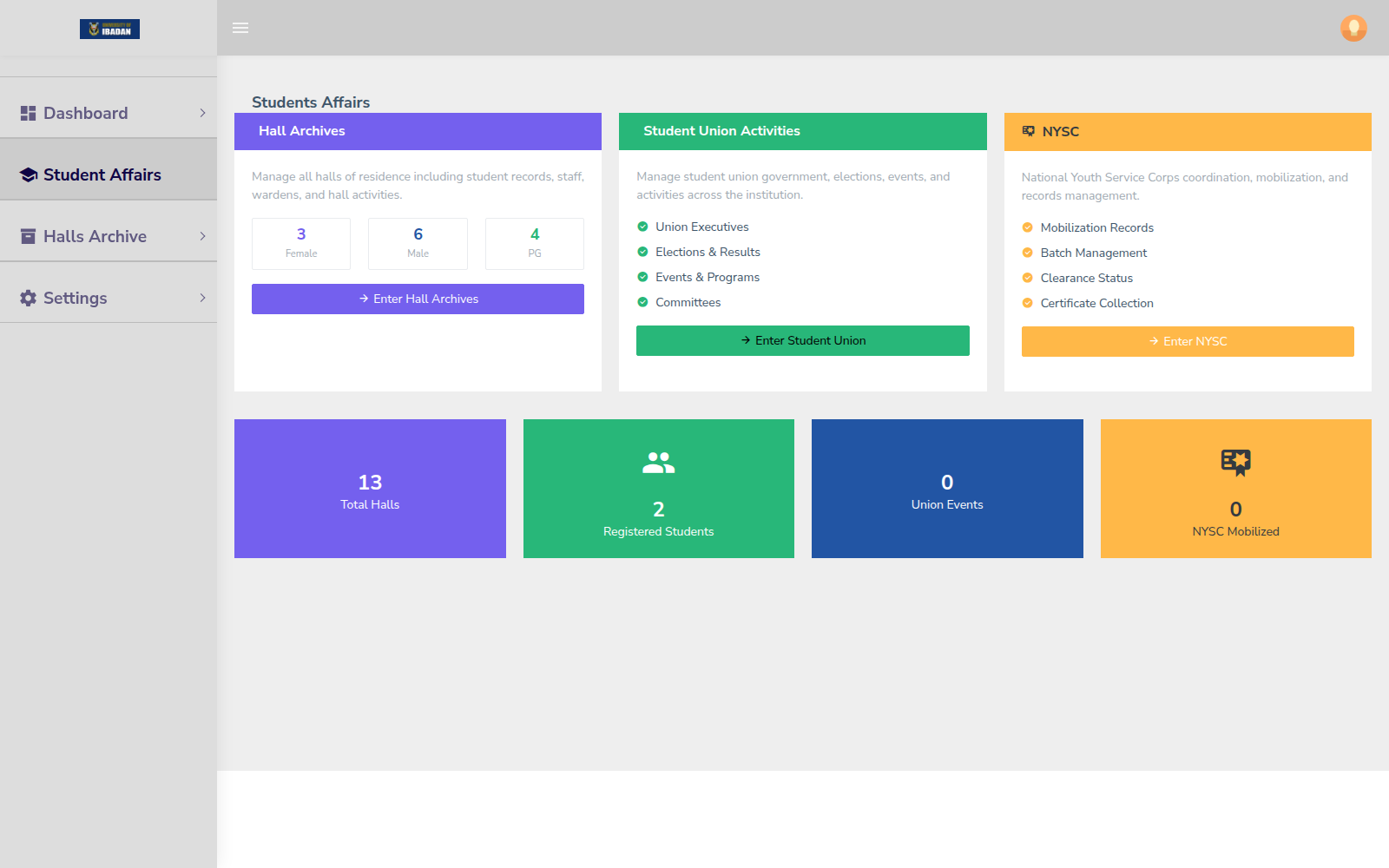
For example, in our records digitalization project for West African College of Physicians, we engaged with multiple departments to gather feedback on the platform's features and functionalities, resulting in a more user-friendly and effective system.
Frequent Delivery of Value
One of the most notable advantages of agile is its focus on delivering value early and often. By breaking down tasks into sprints or iterations, teams can regularly release new features and improvements, providing ongoing benefits to end-users. This approach contrasts with traditional project management methods that might delay functionality releases until the entire project is completed.
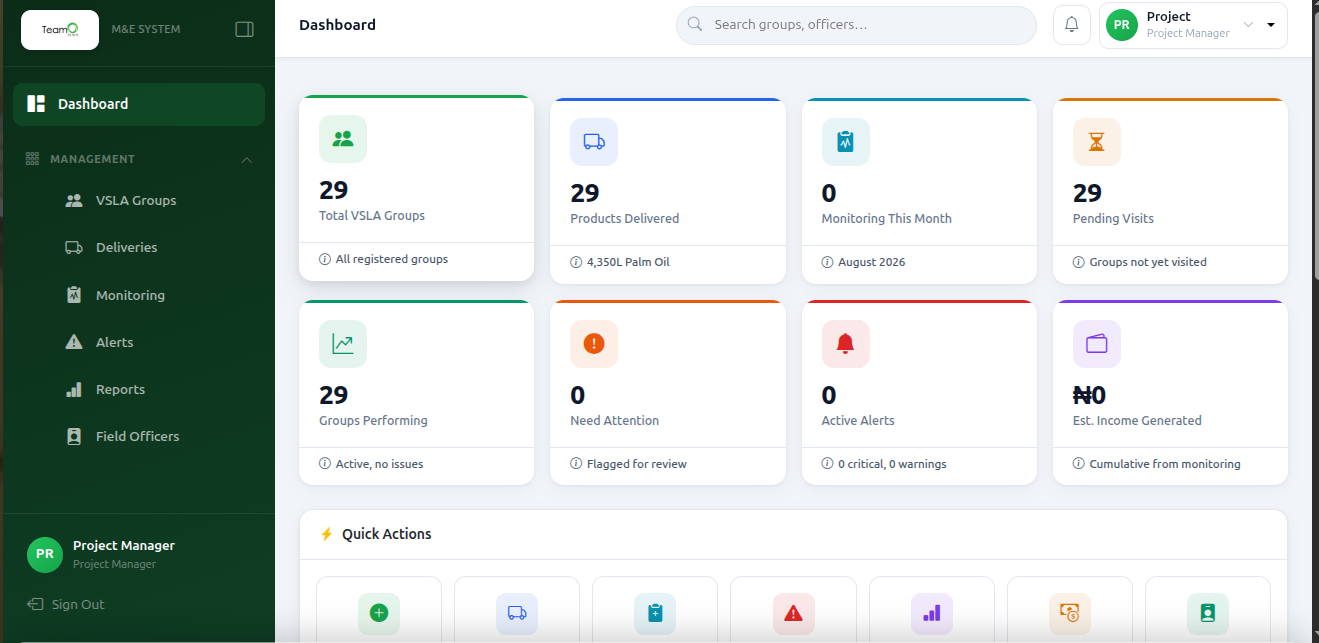
In our experience working with Faculty of Economics and Management Sciences — Records Digitalisation, we utilized this principle by launching interim versions of the system, allowing users to start benefiting from improved record-keeping even as additional phases were still in development. This not only boosted user satisfaction but also provided valuable feedback that informed further iterations.
Business Insights
In today’s dynamic business environment, organizations must be agile to stay competitive and responsive to changing market conditions. Embracing agile methodologies in digital transformation projects can significantly enhance organizational agility.
For instance, a records-digitisation client faced challenges when a sudden regulatory change required immediate updates to their document management system. By adopting an agile approach, the team was able to quickly identify critical changes, prioritize tasks, and deliver timely updates without disrupting ongoing operations. This adaptability not only met the new requirements but also enhanced user satisfaction by reducing the time from need identification to implementation.
African businesses often operate in contexts where rapid technological advancements and shifting consumer preferences require constant innovation. Agile methodologies can help organizations navigate these challenges more effectively.
For example, an academic institution TeamO has worked with was able to rapidly develop a custom software solution for student enrollment and course management during the transition from traditional to online learning environments. The iterative nature of agile allowed the team to gather feedback from students and faculty members, making continuous improvements to ensure a seamless user experience. This not only accelerated the deployment but also resulted in higher user adoption rates compared to traditional project management approaches.
Practical Recommendations
To effectively implement agile methodologies, organizations must first establish clear goals and objectives aligned with their broader digital transformation strategy. For instance, a records-digitisation client could set objectives such as reducing document storage costs by 30% within six months or improving data accessibility by 75%. Clear goals help in creating well-defined sprints and milestones that keep the team focused on delivering value incrementally.
Another critical step is to foster a culture of collaboration and transparency. Agile teams are typically cross-functional, bringing together diverse stakeholders from various departments such as IT, business units, and end-users. Regular stand-up meetings, sprint planning sessions, and retrospective reviews can enhance communication and ensure that all team members are aligned on the project’s progress and priorities.
In Nigeria, for example, a local NGO engaged TeamO to develop a mobile application for community engagement. By holding daily stand-ups, the development team was able to address issues promptly, ensuring that the app met user needs effectively.
Investing in training and development is also essential. Agile methodologies require specific skills such as Scrum Master or Product Owner roles. Organizations should provide comprehensive training programs to equip their teams with these skills. For instance, an academic institution TeamO worked with decided to offer agile workshops for its IT staff. These sessions not only improved the team’s understanding of agile principles but also enhanced their ability to deliver projects more efficiently and effectively.
Finally, it is crucial to continuously measure and evaluate the performance of agile initiatives. Regularly collecting feedback from end-users can help identify areas for improvement. For example, during a custom software development project for a research collective in Africa, TeamO implemented regular user testing sessions. These tests provided valuable insights into how well the solution met the needs of its target audience, enabling the team to make informed adjustments and improvements.
Conclusion
Embracing agile methodologies is not just about adopting new practices; it’s about fostering an environment where flexibility, collaboration, and continuous improvement are at the heart of digital transformation. By integrating these principles into your business operations, you can streamline workflows, enhance productivity, and stay ahead in a rapidly evolving technological landscape.
Agiile methodologies enable teams to respond more effectively to change, ensuring that projects remain aligned with business goals and customer needs.
Implementing Agile Methodologies
Implementing agile practices requires careful planning and commitment, but the benefits are significant. Improved communication, faster time-to-market, and increased customer satisfaction are just some of the advantages. However, the journey towards digital transformation is complex and can be challenging without the right support.
This is where TeamO Digital Solutions comes in. Our team of experts can help you navigate the challenges and leverage agile methodologies to drive meaningful change in your organization.
Call to Action
To embark on your digital transformation journey with agile methodologies, don’t hesitate to get in touch with us at +234 814 446 6160 or email us at info@teamodigitalsolutions.com. Our team of experts can help you navigate the challenges and leverage agile methodologies to drive meaningful change in your organization. Let’s work together to unlock the full potential of digital transformation.
Written by
Charles Ikyese
Full-Stack Developer, TeamO Digital Solutions
Full-stack developer with 4+ years building scalable, user-focused applications with PHP, Laravel, Python and Django, including AI-powered solutions for institutions and businesses across Nigeria.
More about Charles Ikyese →